Choosing the right Hospitality Table Lamps in 2026 requires more than matching a room’s color palette. Buyers must consider guest comfort, operational demands, and long-term value. A lamp may look elegant in a showroom, yet feel harsh beside a hotel bed. Warm, controlled lighting can make a lobby, restaurant, or guest room feel calmer and more welcoming.
The strongest options will likely combine refined design with practical performance. Look for durable materials, stable bases, replaceable components, and easy-clean surfaces. Fabric shades can add softness, while glass, metal, or recycled materials may support a clearer contemporary identity. Light quality matters greatly. Adjustable brightness, comfortable color temperature, and reduced glare can improve reading, dining, and nighttime navigation. Small details matter.
Buyers should also examine maintenance routines and supplier reliability. Can staff replace a bulb quickly? Are spare parts available? Does the finish resist fingerprints after repeated handling? These questions often matter more than a fashionable silhouette. In hospitality settings, table lamps face constant use, accidental knocks, and frequent cleaning. A beautiful design that fails early is not a successful purchase.
Still, no single lamp suits every property. A boutique hotel may prefer sculptural forms, while a busy restaurant needs compact, resilient pieces. Product claims should be checked against samples, technical documents, warranties, and real-world testing. Ideally, teams should test lamps beside actual furniture and fabrics before ordering at scale. Trends can guide decisions, but observation should lead them. Some 2026 predictions may age quickly. A reliable buying guide must acknowledge that uncertainty.
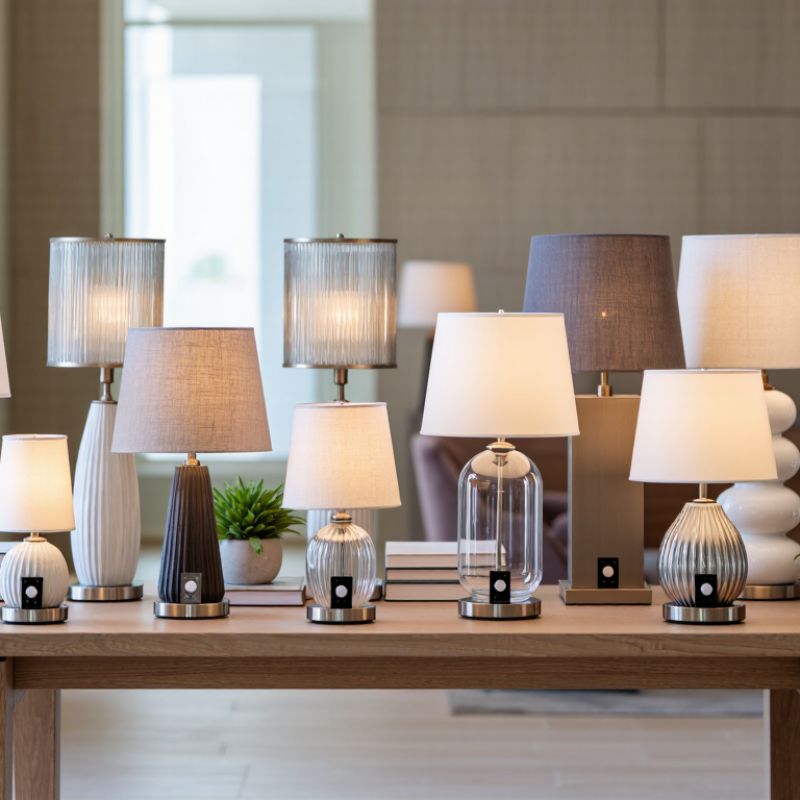
Hospitality table lamps are compact lighting fixtures designed for guest-facing spaces. They combine task lighting, atmosphere, and practical control in one small footprint. For 2026 buyers, the strongest options will provide warm, comfortable illumination without creating glare. A well-chosen lamp should also survive frequent cleaning, relocation, and accidental knocks. That sounds basic. It is not.
In hotel rooms, bedside lamps help guests read, charge devices, and find controls at night. On lobby tables, softer light can make seating feel calmer and less exposed. Restaurants use them to define tables, improve facial visibility, and maintain an intimate dining mood. Meeting lounges need a different balance, because decorative light must not compete with screens or documents. In my specification work, I check beam direction at seated eye level. A beautiful shade can still send light directly into a guest’s eyes.
Buyers should examine color rendering, dimming range, base stability, cable routing, and replacement access. Warm white light, often around 2700K to 3000K, usually suits restful hospitality settings. Yet every property has different finishes, camera needs, and cleaning routines. A lamp that works in a quiet suite may feel weak in a bright lobby. I would test samples after dark, not only under showroom lighting. My own assumption has been wrong before. Some compact lamps look efficient but provide too little usable light. That detail deserves a second review.
| Lamp Category | Definition and Primary Purpose | Typical Size | Recommended Light Output | Color Temperature | Key Buyer Requirements | Main Hospitality Applications | 2026 Buying Outlook |
|---|---|---|---|---|---|---|---|
| Cordless Rechargeable Table Lamp | A portable lamp with an integrated rechargeable battery, designed to provide flexible accent or task lighting without a fixed power connection. | 18–30 cm high; compact base suitable for dining tables and bedside surfaces. | 100–300 lumens for ambient or table illumination. | 2,200–3,000 K; warm light supports a relaxed dining and guest-room atmosphere. | Replaceable or long-life battery, charging indicator, dimming, stable base, and easy cleaning. | Restaurants, cafés, hotel terraces, bars, lounges, and guest-room bedside tables. | Strong choice where flexible table layouts, outdoor dining, and reduced cable clutter are priorities. |
| USB-C Rechargeable Lamp | A portable lamp that uses a common USB-C connection for charging and operational flexibility across hospitality venues. | 20–32 cm high; generally lightweight and easy to relocate. | 150–400 lumens, commonly with multiple brightness levels. | 2,700–3,500 K, depending on whether the lamp is used for ambiance or reading. | USB-C charging, charging-cycle durability, water resistance for covered outdoor areas, and simple controls. | Hotels, co-working lounges, cafés, restaurants, meeting rooms, and guest rooms. | Increasingly practical for standardized charging procedures and easier inventory management. |
| LED Ambient Table Lamp | An energy-efficient lamp using light-emitting diodes to create decorative, indirect, or low-glare illumination. | 15–35 cm high, with compact or sculptural forms. | 100–500 lumens, depending on diffuser size and intended atmosphere. | 2,200–3,000 K for warm hospitality environments. | Low energy consumption, low heat generation, high color rendering, dimming, and consistent light distribution. | Hotel lobbies, restaurants, reception desks, bars, suites, and waiting areas. | A dependable general-purpose option for properties seeking lower operating costs and long service life. |
| Dimmable Reading Table Lamp | A task-oriented lamp designed to provide focused illumination for reading, writing, or desk work while limiting glare. | 35–60 cm high; adjustable heads or arms are common. | 400–800 lumens for desk and reading tasks. | 2,700–4,000 K; warmer settings suit bedrooms, while neutral settings support work areas. | High color rendering, glare control, directional adjustment, touch dimming, and weighted construction. | Guest-room desks, executive suites, business lounges, libraries, and hotel workspaces. | Relevant for business hotels and properties emphasizing comfortable in-room work facilities. |
| Water-Resistant Outdoor Table Lamp | A portable or fixed lamp engineered for outdoor hospitality areas and protection from moisture, splashes, and changing weather conditions. | 20–40 cm high; broad, weighted bases improve stability. | 100–400 lumens to provide comfortable table-level lighting without excessive glare. | 2,200–3,000 K for a warm outdoor dining experience. | At least splash resistance appropriate to the installation, corrosion-resistant materials, sealed controls, and wind stability. | Outdoor restaurants, pool decks, rooftop bars, patios, garden seating, and resorts. | High priority for resorts and restaurants expanding outdoor service areas. |
| Decorative Glass or Fabric-Shade Lamp | A design-focused table lamp that combines soft illumination with visual styling to support a property’s interior atmosphere. | 25–55 cm high; shade diameter commonly 18–35 cm. | 150–500 lumens for diffused decorative lighting. | 2,200–2,700 K for a warm, intimate appearance. | Durable shade materials, replaceable light sources, stain resistance, stable construction, and easy maintenance. | Fine-dining venues, boutique hotels, lounges, suites, reception areas, and event spaces. | Best suited to buyers balancing guest perception, interior design, and long-term maintenance. |
| Smart or Connected Table Lamp | A lamp with digital controls or network connectivity that enables centralized scheduling, dimming, or scene management. | 20–45 cm high, depending on the control hardware and battery configuration. | 200–600 lumens with adjustable brightness. | 2,700–4,000 K; tunable-white models offer broader control. | Reliable connectivity, manual override, data security, simple commissioning, interoperability, and service support. | Large hotels, conference venues, premium suites, restaurants, and managed public spaces. | Most valuable where operators need repeatable lighting scenes and centralized operational control. |
Buyer note: Actual performance depends on the lamp design, battery capacity, installation environment, maintenance practices, and applicable electrical or water-resistance requirements.
They are compact fixtures for guest-facing spaces, combining task lighting, atmosphere, and practical controls. They fit bedside tables, dining tables, lobby consoles, and lounge desks. Small footprint.
Bedroom lamps support reading, charging, and nighttime navigation. Lobby lamps create calmer seating areas with softer illumination. Restaurants use them to define tables and improve facial visibility. Meeting lounges need decorative light that does not compete with screens or documents.
Warm white light between 2700K and 3000K usually supports relaxed rooms and evening dining. Desk lamps may need neutral light around 3000K to 4000K for clearer work. High color rendering helps fabrics and finishes appear natural. Preferences vary.
Check beam direction at seated eye level. Use low-glare shades and test lamps beside glassware. A beautiful shade can still shine directly into someone’s eyes. Test after dark, not only in showroom lighting.
Bedside lamps need focused reading light, simple controls, and accessible charging ports. Desk lamps should provide adjustable, directional output. Bases must resist tipping when guests brush against them. Cable routing should keep switches easy to reach.
Rechargeable cordless lamps remove loose cables and support flexible table layouts. Choose stable bases, replaceable batteries, and clear charging-cycle information. Test charging time during normal service. Some attractive units become inconvenient quickly.
Outdoor lamps need weather-resistant construction and suitable electrical ratings. Attractive styling alone is insufficient. Review cleaning instructions, heat management, cable entry, and local electrical certification. Weather can expose weak materials.
Choose surfaces that tolerate frequent cleaning and resist fingerprints. Replaceable shades, cables, and light sources can simplify repairs. Request written warranty and service terms. Keep spare parts available. A low purchase price may become expensive after repeated repairs.
Test lamps beside beds, reception desks, and dining tables. Check shadows, switch visibility, charging time, stability, and glare from seated positions. A showroom test can mislead. Compact lamps may look efficient but provide too little usable light.
Hospitality Table Lamps are essential lighting solutions designed to improve comfort, atmosphere, and functionality in hotels, restaurants, lounges, guest rooms, and other hospitality spaces. In 2026, buyers should evaluate lamps based on light quality, adjustable brightness, energy efficiency, color temperature, cordless operation, charging capability, and compatibility with different interior styles. Popular options include compact bedside lamps, portable rechargeable lamps, decorative accent lamps, task-oriented reading lamps, and durable outdoor models for patios or terraces.
When comparing products, buyers should balance design appeal with performance, material durability, battery life, ease of cleaning, and total cost of ownership. Practical considerations are equally important, including stable installation, safe electrical components, protection against moisture where necessary, simple maintenance, replaceable parts, and reliable daily operation. The best choice should suit the venue’s layout, guest expectations, usage frequency, and maintenance resources while providing consistent illumination and long-term value.