What Is Commercial Pendant Lighting and How Does It Work?
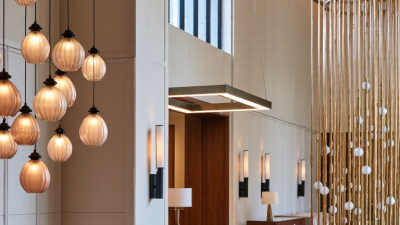
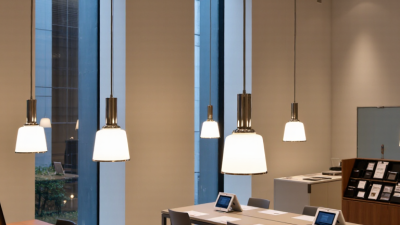
Commercial Pendant Lighting combines practical illumination with a visible architectural presence. It typically hangs from a ceiling using a stem, cable, or adjustable suspension system. Unlike recessed fixtures, pendants bring the light source closer to work surfaces and customer areas.
In commercial settings, these fixtures appear above reception desks, dining tables, retail displays, counters, and collaborative workstations. Their performance depends on more than appearance. An LED module produces light, while a diffuser or reflector shapes its spread and reduces uncomfortable glare. Drivers regulate electrical power and support consistent brightness. Dimming systems, occupancy sensors, and smart controls can improve flexibility and energy management.
The right fixture begins with the space. Ceiling height, task requirements, mounting conditions, and ambient light all affect the selection. A narrow beam may highlight merchandise, while a wider distribution can support an open office. Color temperature also changes perception; warm light can feel inviting, while neutral white often supports detailed tasks. Small details matter.
Safety and reliability should guide every specification. Qualified professionals should confirm electrical compatibility, secure mounting, emergency requirements, and local code compliance. Product documentation from established manufacturers offers useful evidence about ratings, lifespan, and maintenance needs. Still, published performance figures are not the whole story. Dust, heat, cleaning routines, and frequent switching may reduce real-world results. A beautiful pendant can disappoint when glare reaches a seated worker’s eyes. Good design balances visual character, measurable performance, and the daily experience of people beneath it. That balance is sometimes missed.
Read more »
 By:Ethan
- October 31, 2026

 By:Amelia
- October 26, 2026
 By:Oliver
- October 16, 2026