
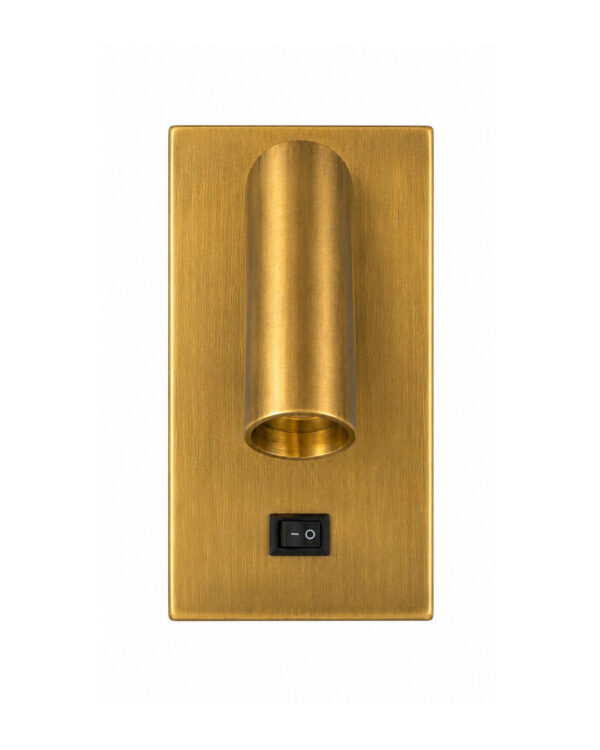
R1212
Bedside Directional LED Reading Light
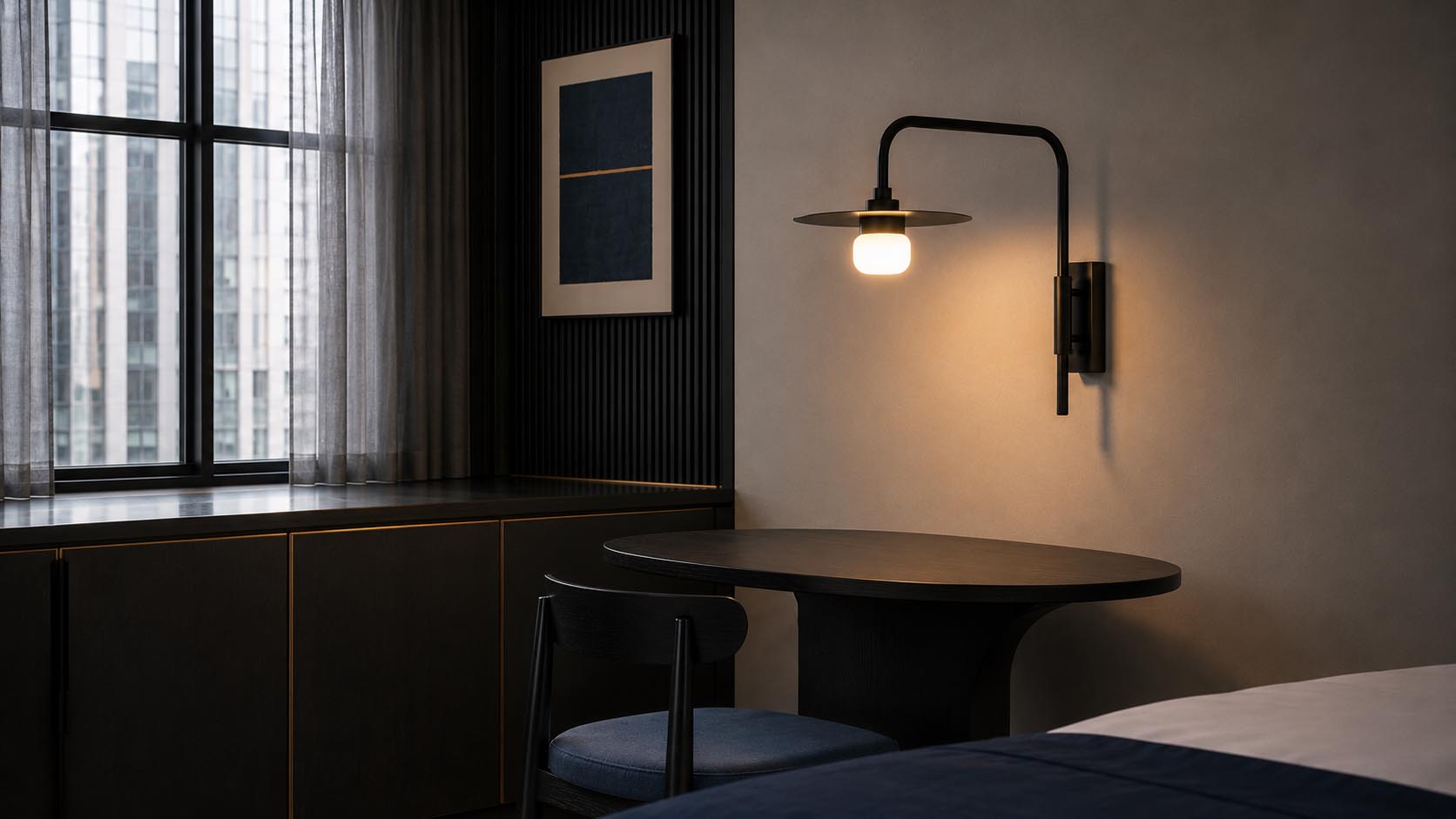
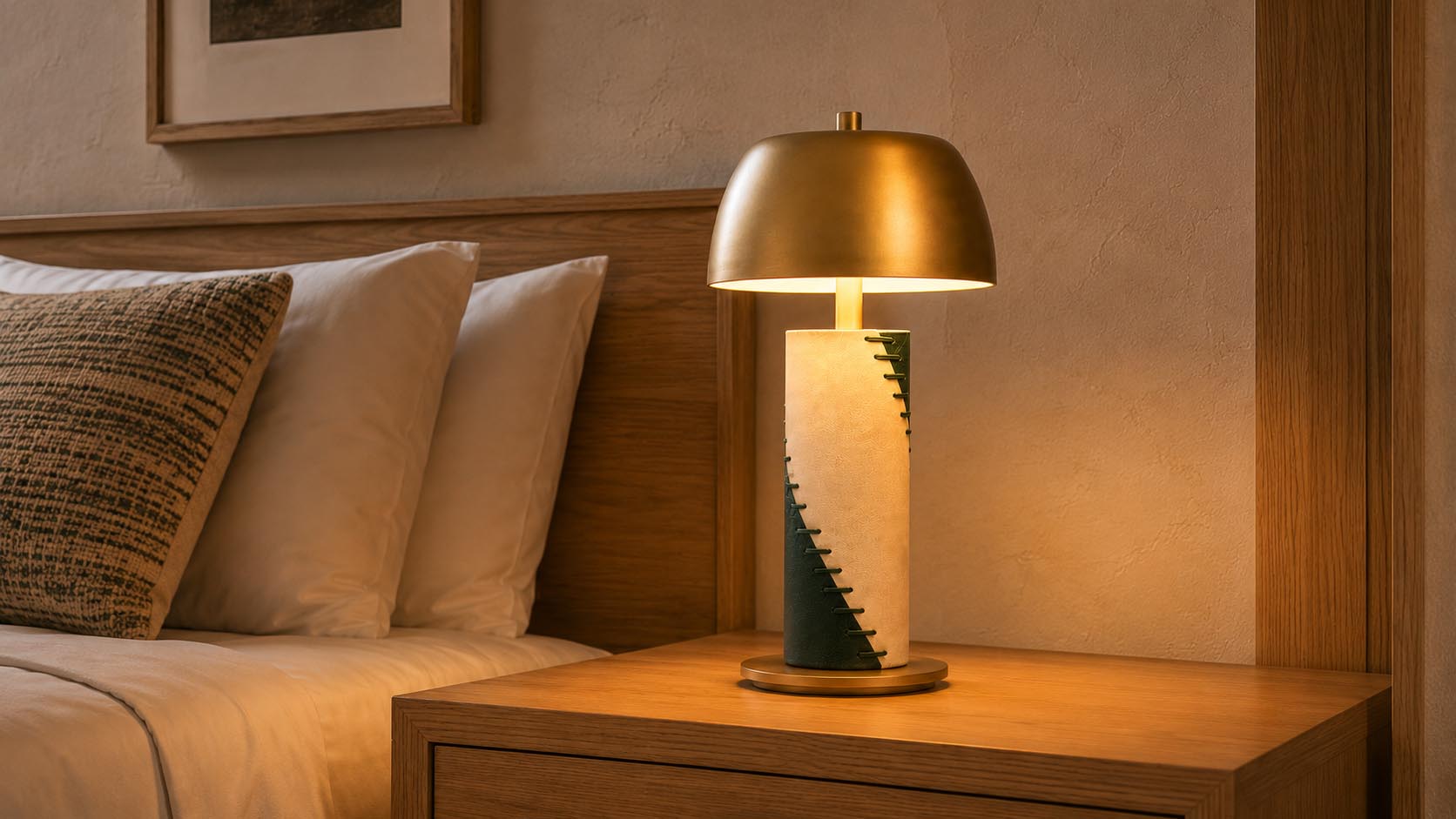
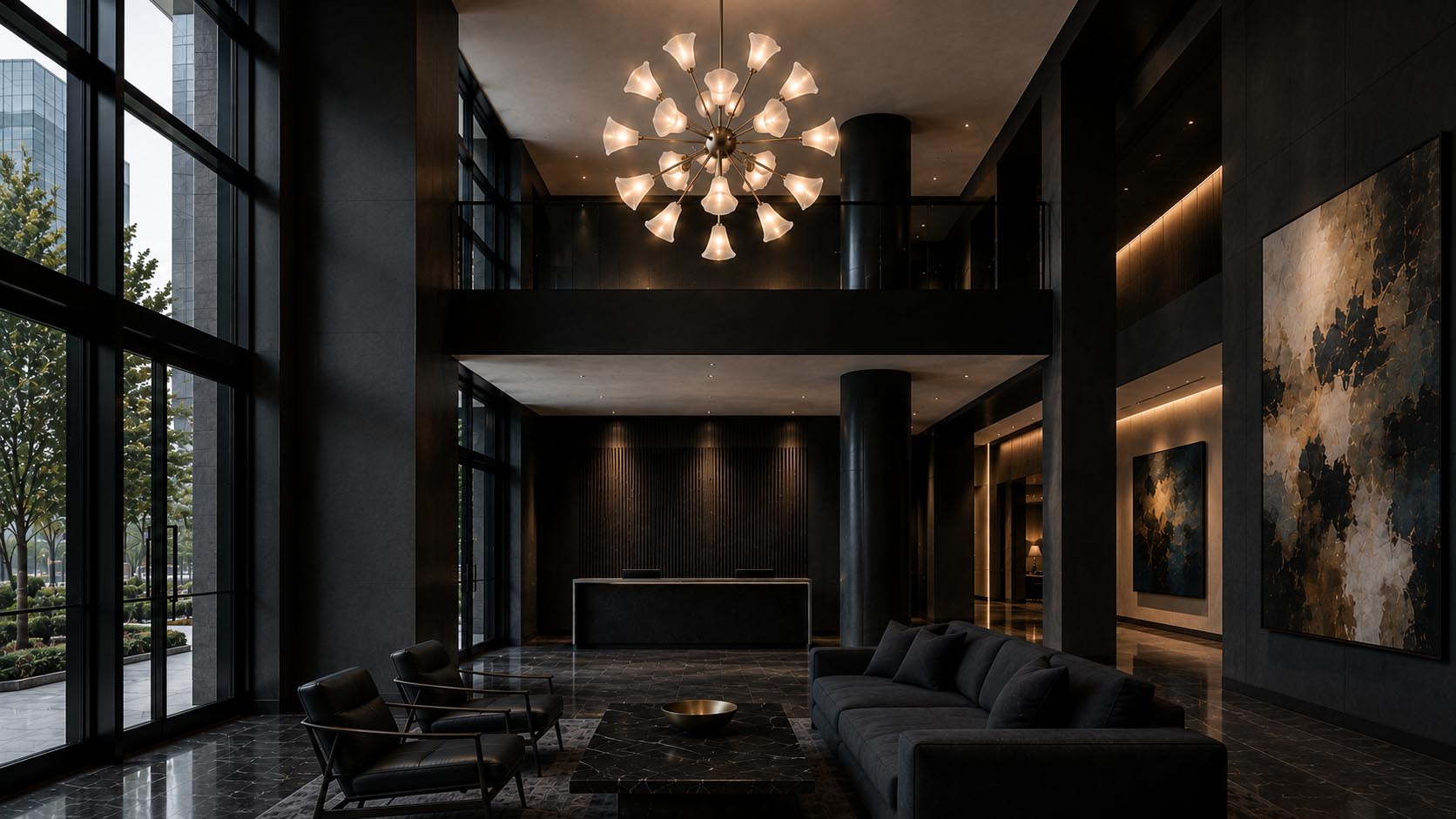
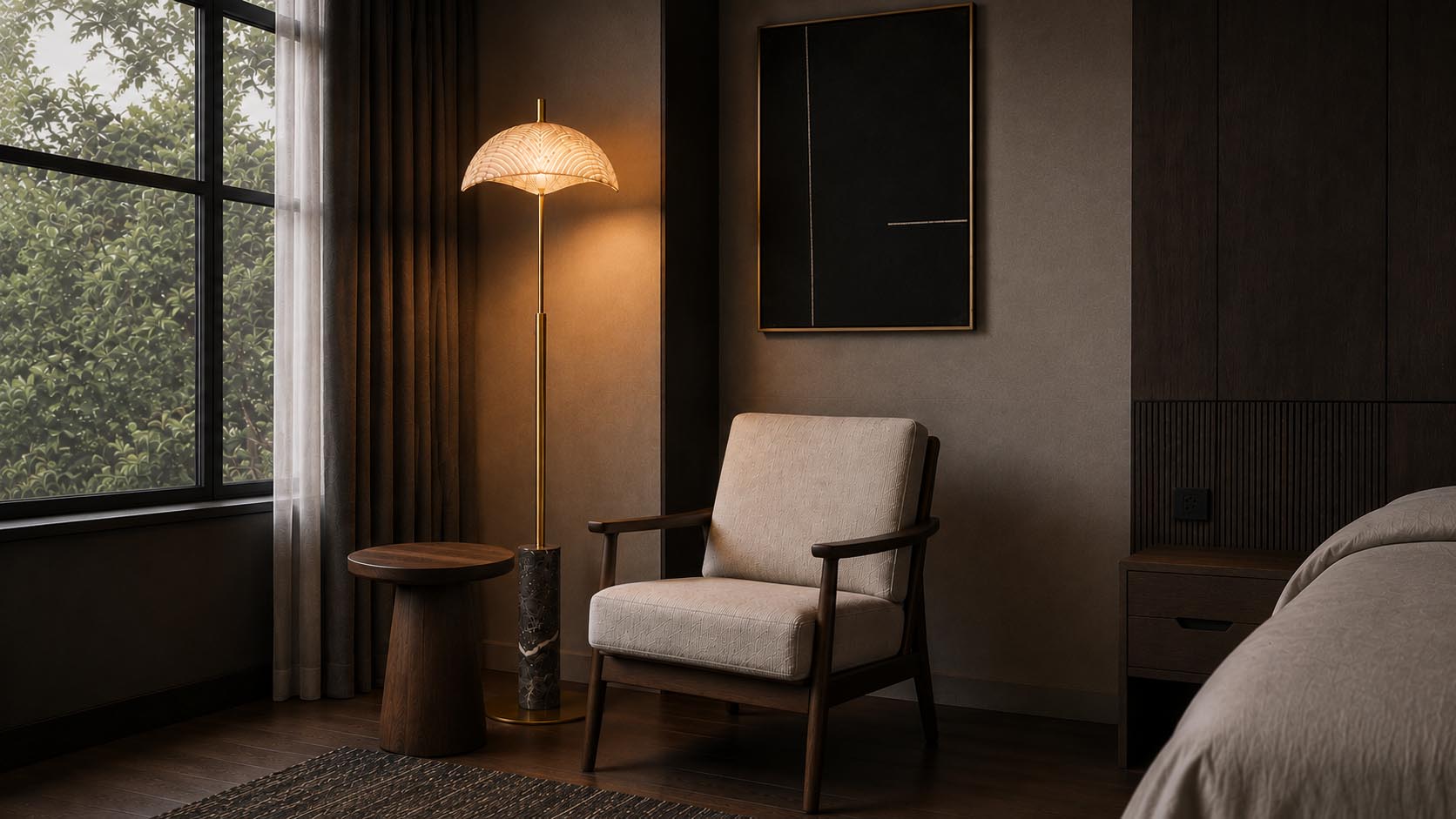
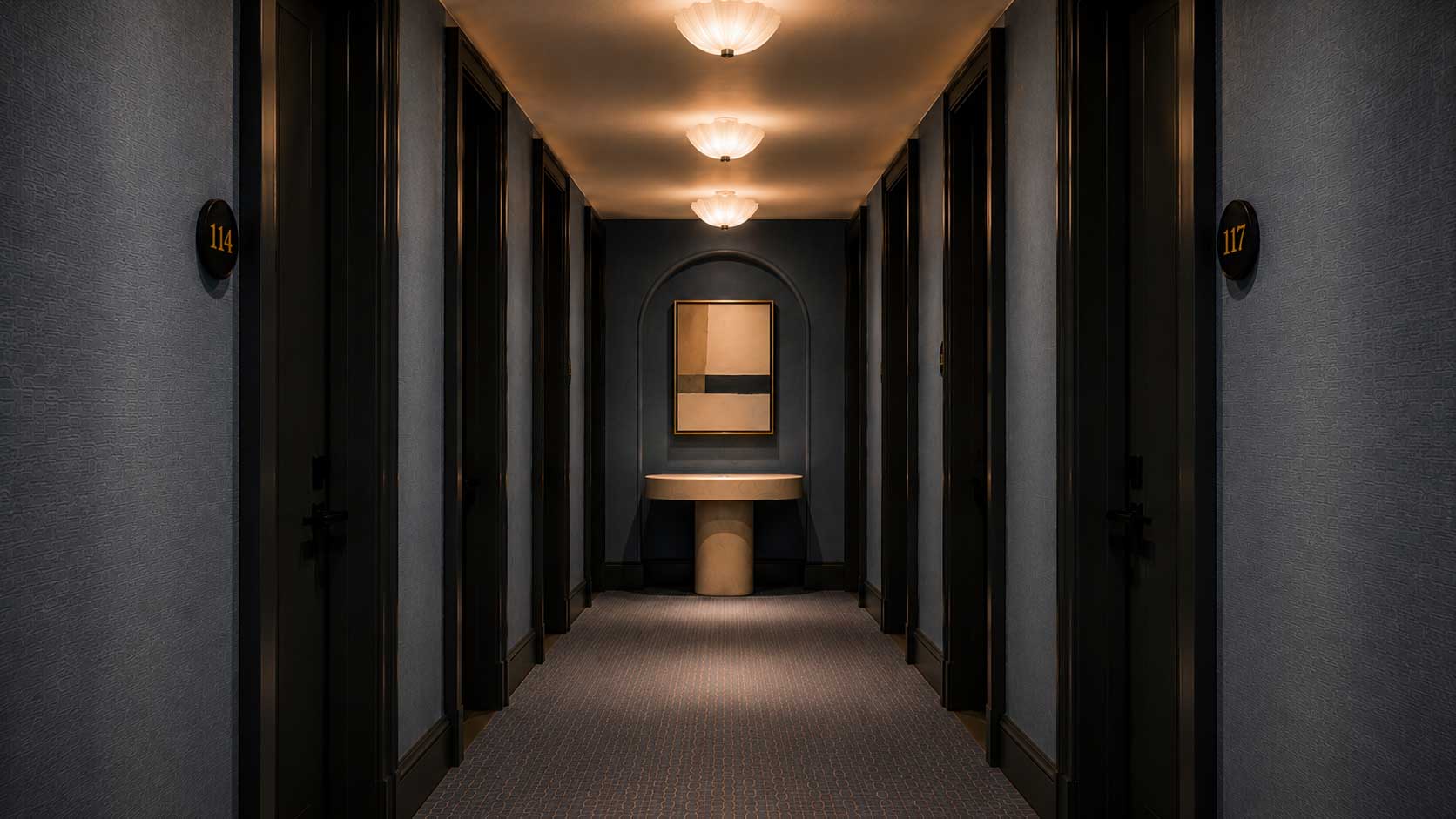
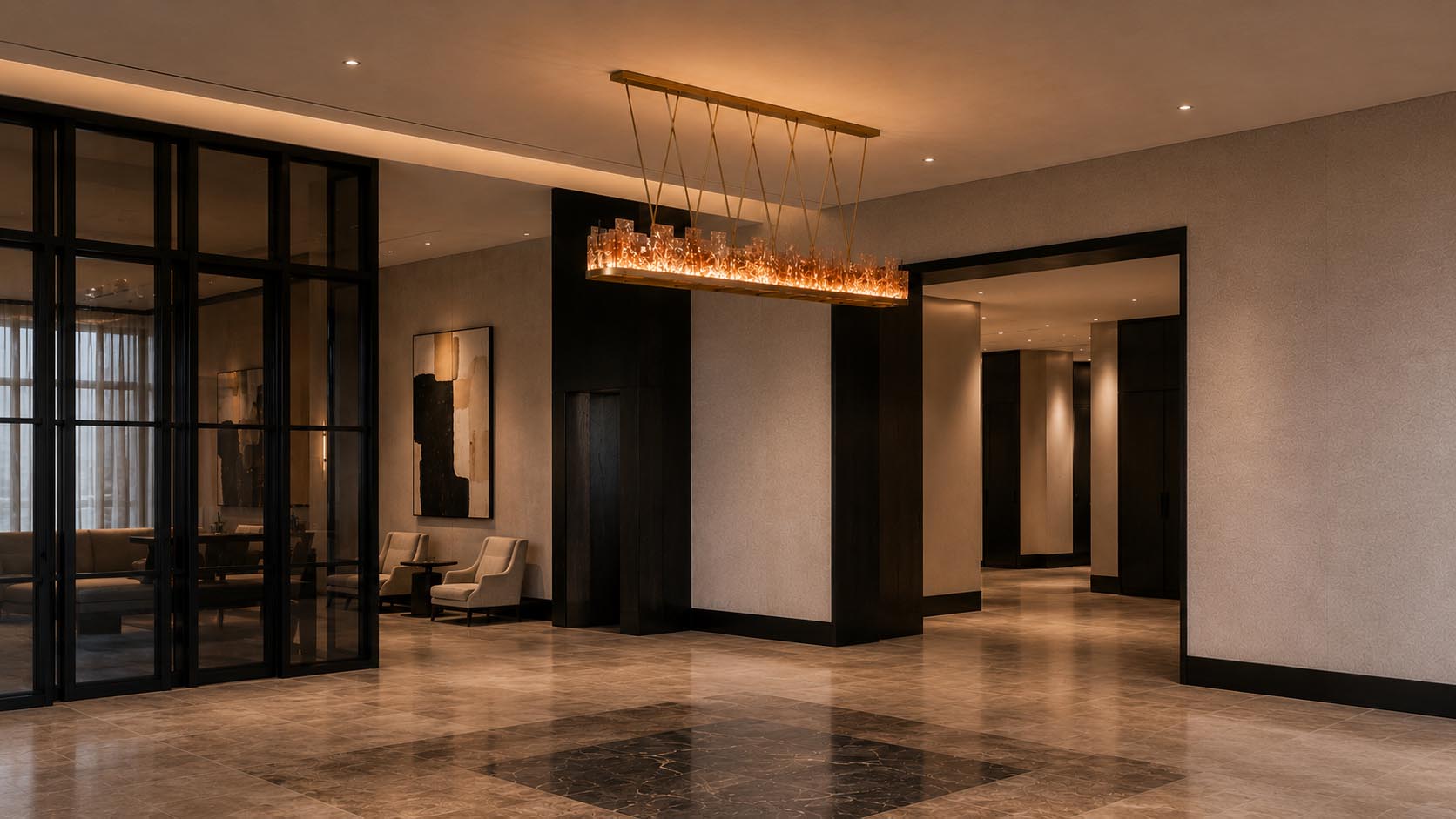
Healthcare & Senior Housing Lighting Solutions
Architectural, circadian, and ADA-compliant senior living lighting fixtures engineered for Independent Living, Assisted Living, Memory Care, and Skilled Nursing Facilities.
Senior Housing Illumination Science
Designing illumination systems for senior living communities requires a fundamental departure from standard commercial lighting practices. As human eyes age, physiological changes—including crystalline lens yellowing, pupil contraction (senile miosis), reduced retinal light sensitivity, and loss of spatial contrast—significantly impair visual acuity. By age 65, an individual typically requires three to five times more illuminance to perform basic tasks than a 20-year-old, while simultaneously becoming up to 150% more vulnerable to disabling glare.
At Majestic Lighting, our senior living lighting fixtures are engineered specifically to address these biological realities. Drawing on nearly 30 years of hospitality and institutional lighting experience, our design team balances high foot-candle outputs with advanced optical diffusers, edge-lit acrylic technology, and indirect up-lighting strategies. We engineer fixtures that eliminate harsh shadows, reduce fall risks, and support circadian entrainment across all acuity levels.
Spec-Ready Portfolio
Bedside Directional LED Reading Light
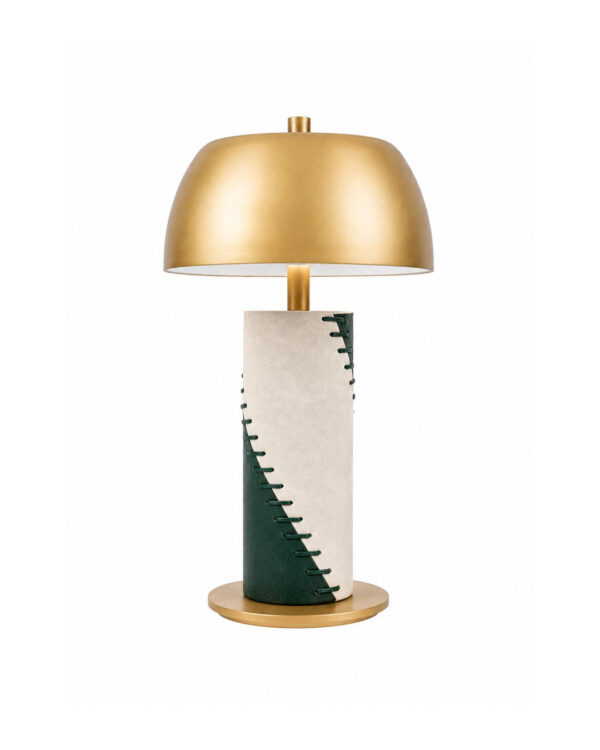
Integrated LED Ergonomic Table Lamp
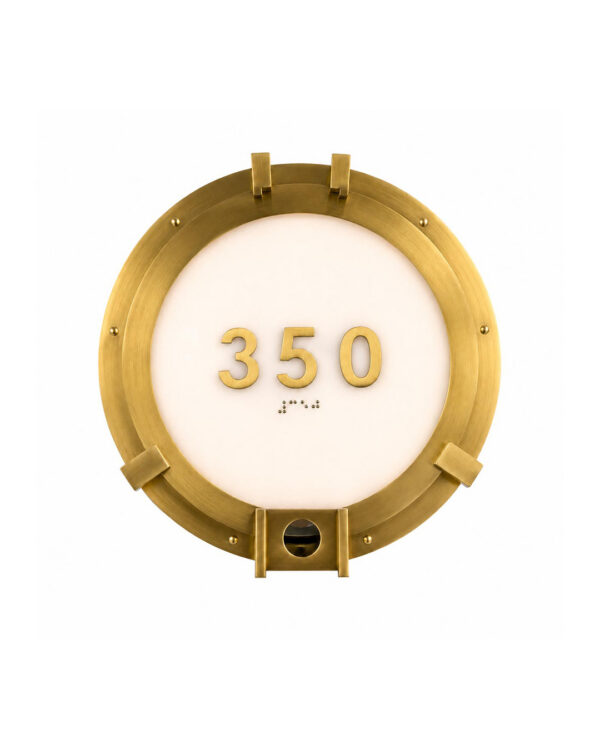
ADA Corridor Sconce & Lit Wayfinding
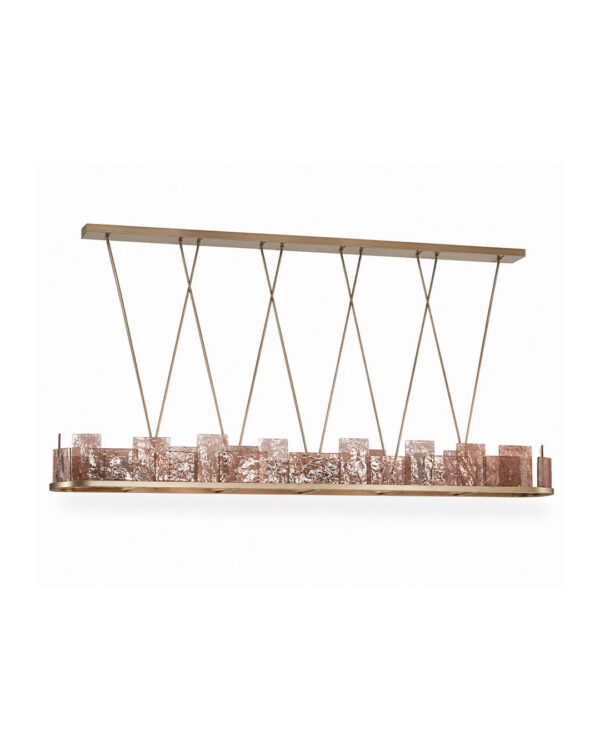
Low-Glare Public Area Ceiling Fixture
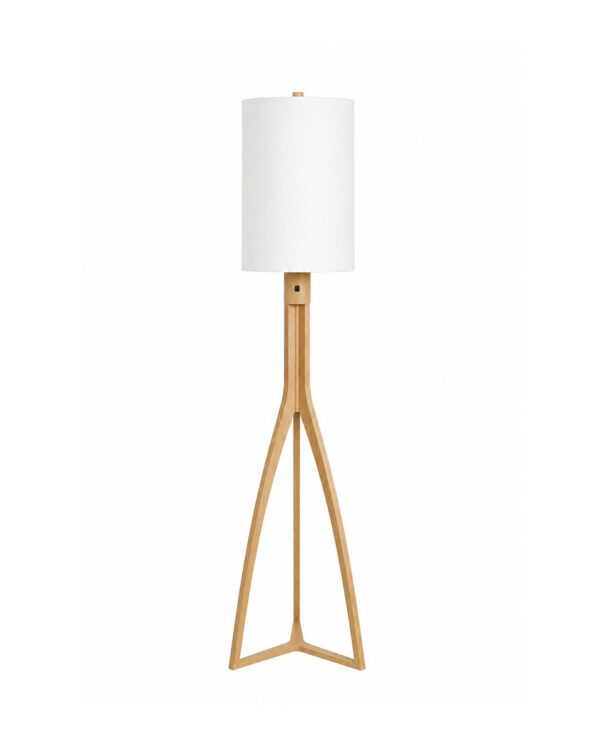
Integrated LED Reading Floor Lamp
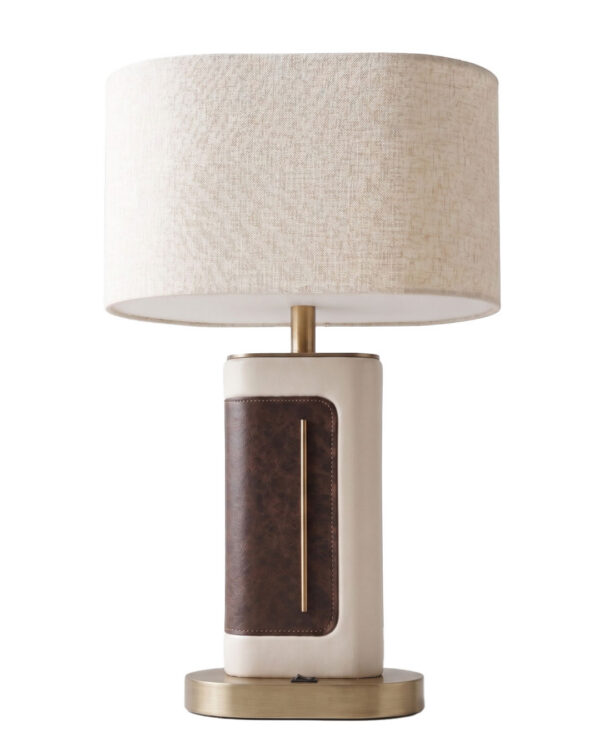
Weighted Ceramic & Gold Table Lamp
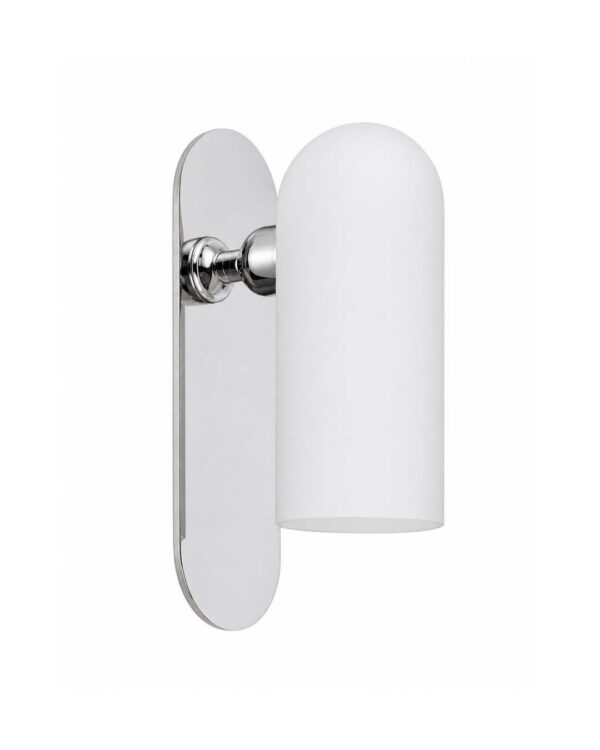
Diffused Guestroom Wall Sconce
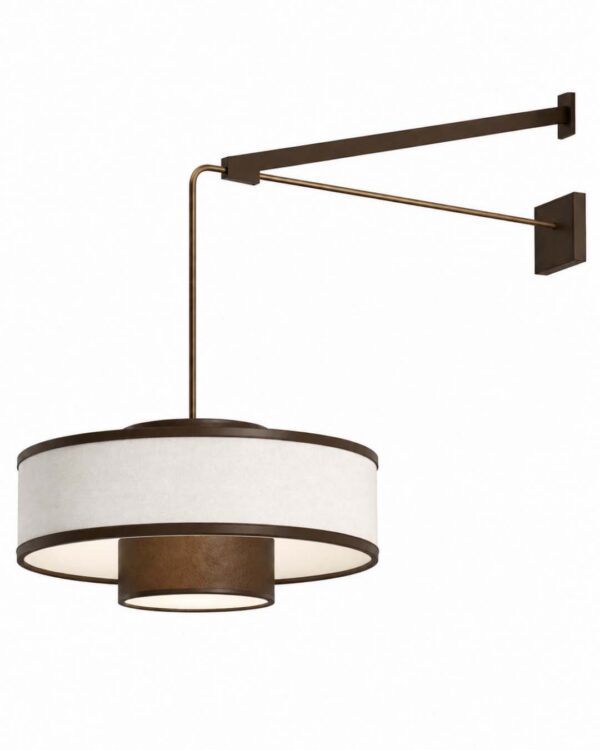
Dining & Activity Chandelier
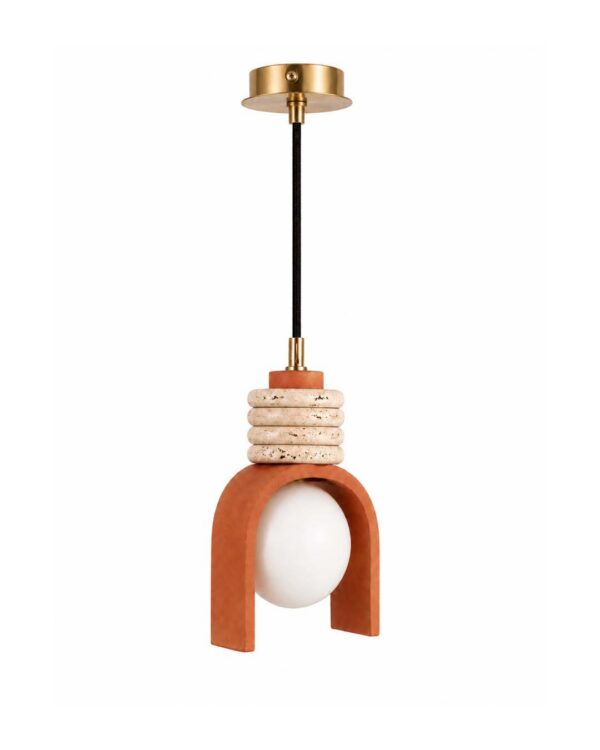
Acoustic & Diffused Architectural Pendant
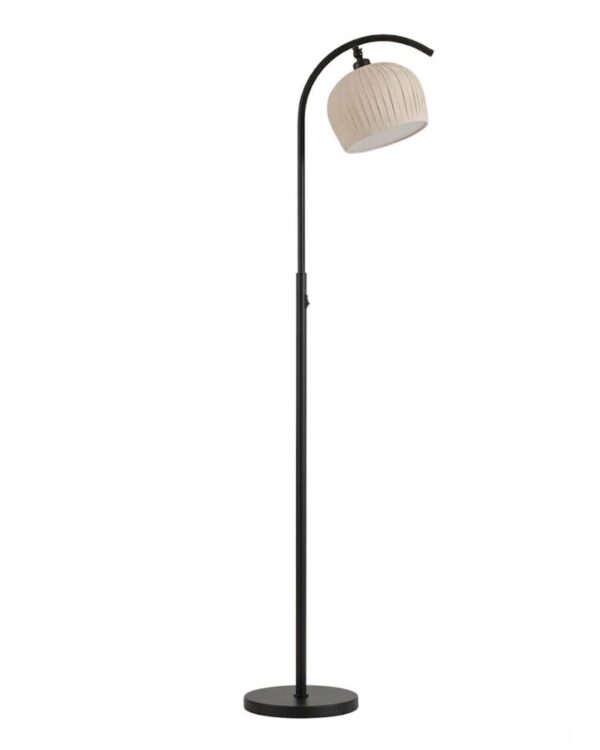
Brushed Metal Senior Lounge Floor Lamp
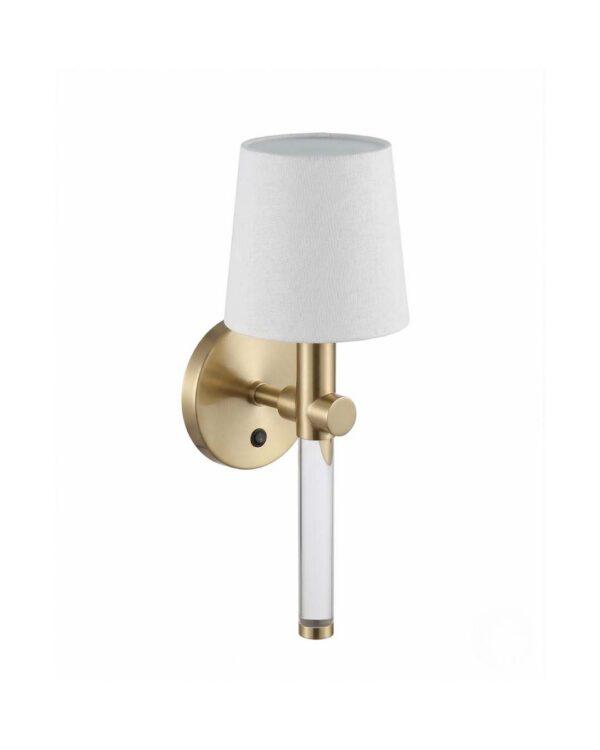
ADA Architectural Wall Sconce
Comprehensive B2B Procurement Guide
An exhaustive technical resource for procurement officers, healthcare interior designers, FF&E directors, and facility operators specifying commercial senior housing projects.
Commercial senior living communities house residents with wide spectrums of visual acuity. As the eye ages, three primary physiological transformations occur that directly impact lighting specification:
The aging pupil shrinks (senile miosis), restricting the total quantum of light reaching the retina. At 60 years of age, a resident receives approximately one-third of the light reaching a 20-year-old retina under identical ambient conditions. Consequently, senior living lighting fixtures must deliver elevated foot-candle levels across horizontal task planes without overwhelming the space with high visual brightness.
Natural lens yellowing filters out shorter blue wavelengths, causing ambient colors to appear desaturated and muddy while impairing depth perception. To restore vibrant color fidelity and enhance contrast discrimination (essential for preventing missteps near furniture or thresholds), senior living lighting fixtures must incorporate LED light engines with a high Color Rendering Index (CRI > 90) and strong R9 red value rendering (> 50).
Changes in the cornea and vitreous humor increase light scatter, making seniors exceptionally sensitive to direct glare. Direct exposure to unshielded LED diodes or specular reflectors causes disabling glare, resulting in visual disorientation, headaches, and heightened fall risks. Majestic Lighting designs every fixture with deep-set optics, opaque linen shades, frosted acrylic diffusers, or edge-lit light guide panels to maintain uniform surface luminance.
| Space Category | Target Target Illuminance (Lux / FC) | Color Temperature (CCT) | CRI / R9 Target | Primary Optical Strategy |
|---|---|---|---|---|
| Resident Bedside & Desk | 500 - 750 Lux (50 - 75 FC) | 2700K - 3000K Warm White | CRI > 92 / R9 > 60 | Directional LED, shade diffusion, accessible tactile switches |
| Corridors & Wayfinding | 200 - 300 Lux (20 - 30 FC) | 3000K - 3500K Neutral White | CRI > 90 / R9 > 50 | ADA ultra-slim sconces (≤ 4" projection), continuous soft wash |
| Dining & Activity Hubs | 300 - 500 Lux (30 - 50 FC) | 3000K - 4000K Tunable | CRI > 90 / R9 > 50 | Indirect ambient up-lighting paired with glare-shielded decorative pendants |
| Memory Care Neighborhoods | 400 - 600 Lux (Day) / 20 Lux (Night) | Dynamic 2700K - 4000K Circadian | CRI > 95 / R9 > 70 | Automated CCT dimming, concealed indirect cove & step fixtures |
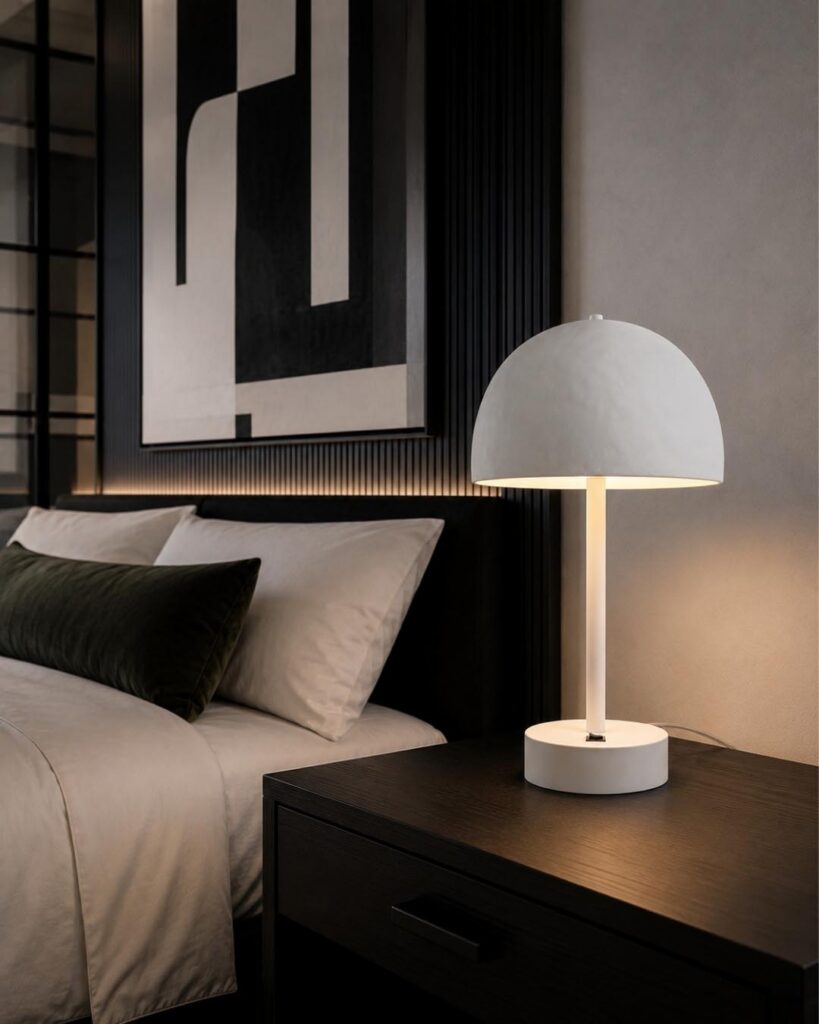
In private independent and assisted living suites, lighting fixtures must blend domestic warmth with healthcare ergonomics. Bedside sconces such as the R1212 LED Reading Light feature flexible directional necks with low surface temperatures, allowing residents to operate lights safely without heat risk. Table lamps like the TL1428 Integrated LED Table Lamp incorporate heavy weighted bases to resist accidental tip-overs, coupled with high-contrast, oversized rocker switches mounted on the base for arthritic hands.
In vanity and bath zones, vertical wall sconces flanking the mirror offer shadow-free facial illumination superior to overhead downlights. High-CRI vanity fixtures paired with wet-location safety ratings protect against humidity while ensuring safe personal grooming routines.
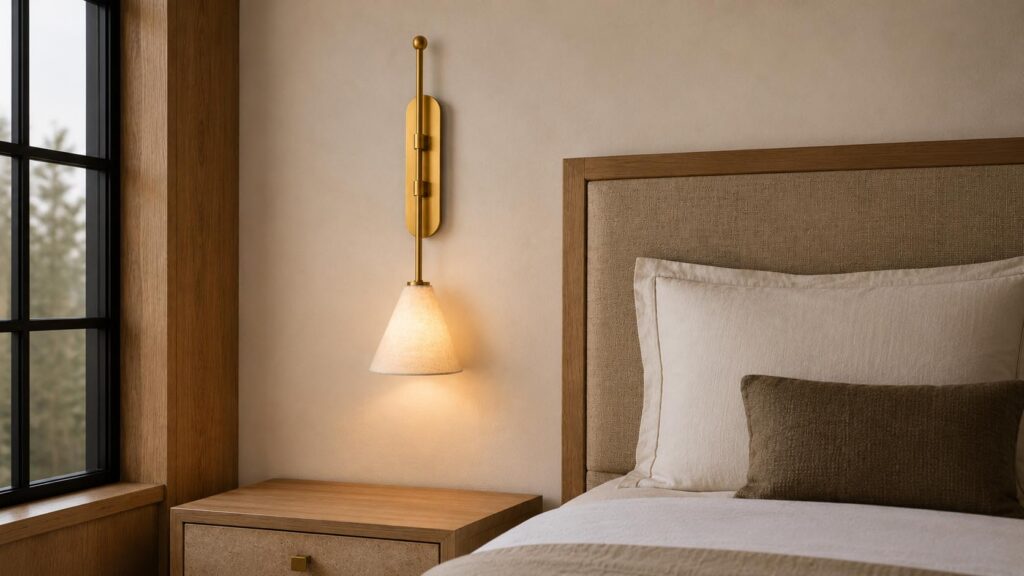
Corridors in senior living facilities serve as vital circulation routes where fall prevention is paramount. Under the Americans with Disabilities Act (ADA Section 307.2), wall sconces mounted between 27 inches and 80 inches off the floor must not project more than 4 inches into the walkway. Fixtures like the S1450 Sconce & Lit Signage and S1430 ADA Sconce comply with these dimensional constraints while casting smooth, even illumination along hallway walls.
Furthermore, illuminated room numbers and wayfinding sconces help residents with cognitive impairment identify their suite, reducing confusion and fostering independence.
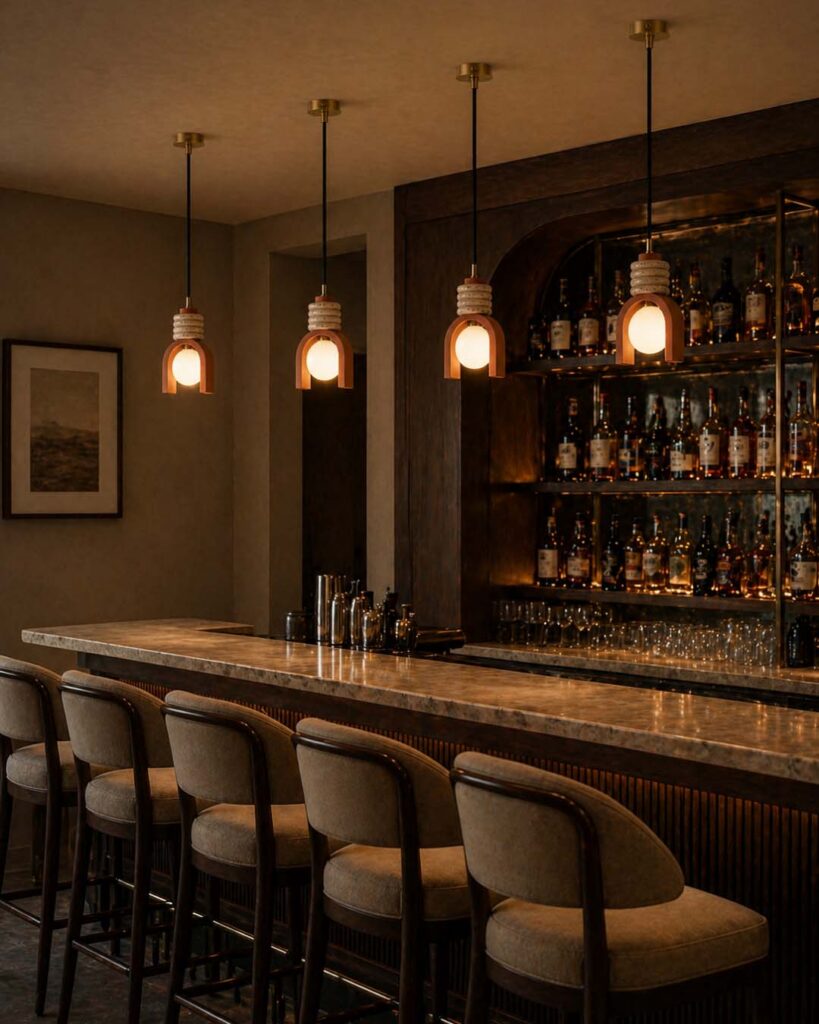
Public dining areas and multi-purpose activity hubs require flexible ambient lighting that accommodates dining, reading, crafts, and social events. Fixtures such as the P1451 Chandelier, P1450 Public Area Pendant, and C1602 Ceiling Fixture deliver elevated horizontal illuminance while utilizing diffused acrylic bottom lenses to shield the LED modules from direct view, creating an inviting visual environment.
By blending architectural pendants with wall sconces and perimeter accent lights, procurement teams create visually engaging layered environments that support social connection.
As global capital flows into senior care infrastructure, procurement strategies are shifting toward technology-integrated, highly sustainable, and biophilic fixture design. B2B buyers must evaluate five structural industry trends when issuing RFPs for senior housing lighting packages:
Beyond basic dimming, modern senior care facilities are integrating bio-adaptive LED drivers programmed with natural solar cycles. Morning lighting introduces high melanopic EDI (Equivalent Daylight Illuminance) at 4000K to stimulate cortisol production and alertness. In the late afternoon and evening, color temperatures transition seamlessly down to 2700K with low melanopic ratios, encouraging natural melatonin release. Facilities utilizing circadian senior living lighting report up to a 35% reduction in nighttime fall incidents and improved sleep duration among dementia patients.
Nighttime falls remain the leading cause of injury in senior living communities. Next-generation resident suite sconces and vanity fixtures now integrate secondary low-intensity Amber Nightlight LEDs (amber 590nm spectrum does not suppress melatonin). Integrated optical motion sensors trigger ambient baseboard or sconce nightlights automatically when a resident steps out of bed, lighting the path to the bathroom without requiring manual switch operation.
Institutional healthcare environments are giving way to warm, residential-feeling spaces. Lighting trends favor biophilic forms—incorporating tactile ceramics, brushed warm brass, natural wood accents, and textured linen diffusers. Fixtures such as the TL1420 Ceramic Table Lamp combine home-like aesthetics with heavy commercial durability, creating environments that feel like luxury boutique residences rather than medical care facilities.
Long-term operational costs are driving demand for modular, easily service-tested fixtures. Facilities demand tool-less driver accessibility and field-replaceable LED light engines to minimize maintenance downtime. Additionally, custom metallic finishes are increasingly specified with anti-microbial clear coats to withstand rigorous daily chemical sanitation without flaking, tarnishing, or corroding.
To reduce supply chain complexity and eliminate finish mismatches, global procurement agencies are consolidating mirror and lighting purchasing under single-source vendors. Through the Majestic FAMILY corporate architecture, buyers pair Majestic Lighting fixtures with illuminated mirror solutions from sister enterprise Majestic Mirror & Frame, establishing single-contact accountability for submittals, finish samples, submittal sign-offs, and containerized logistics.
With more than 40 combined years of sourcing, design, and manufacturing expertise, Majestic Lighting stands as an industry authority for commercial lighting solutions across hospitality, senior living, and multifamily sectors. When specifying senior living lighting fixtures, our clients benefit from unmatched operational strengths:
We leverage established brand programs across major hospitality and senior living developers, expediting submittal approvals and reducing design-phase timelines.
Our team modifies catalog designs or engineers bespoke fixtures from designer renderings, CAD files, or physical control samples to match precise project requirements.
Every fixture is engineered for compliance with ETL or UL standards by application, with Title 20/24 energy compliance, Energy Star, and ADA options documented on all cut sheets.
Prior to container departure, production lots undergo strict 100% burn-in testing, finish adhesion checks, and dimensional inspections against approved control samples.
We work directly with purchasing agents and owners' reps to align metal finishes, shade fabrics, and lamping configurations with target FF&E budgets.
In partnership with sister enterprise Majestic Mirror & Frame, we streamline submittals and logistics for decorative lighting and mirror packages worldwide.
Discover how Majestic Lighting balances photobiological wellness, structural durability, ADA code compliance, and competitive FF&E pricing for your senior care development.
Frequently Asked Questions
Aging eyes experience physiological changes including corneal yellowing, reduced pupil diameter (miosis), and increased light scattering. Senior living lighting fixtures must deliver 3x to 5x higher illuminance levels with strict glare mitigation (UGR < 19), high Color Rendering Index (CRI > 90), and balanced vertical foot-candles to prevent falls and visual fatigue without causing glare or agitation.
Under ADA guidelines (Section 307.2), wall-mounted objects between 27 inches and 80 inches above the finished floor must not protrude more than 4 inches into circulation paths. Majestic Lighting manufactures ultra-slim ADA wall sconces and lit signage fixtures engineered specifically to maintain compliance in high-traffic senior living corridors and resident hallways.
Circadian lighting in senior care uses bio-adaptive tunable white technology. Daytime spectrums utilize 3500K–4000K with high melanopic lux to stimulate alertness and mood, while evening settings drop to 2700K or lower with zero blue spectrum exposure to encourage melatonin synthesis, stabilizing sleep-wake cycles and reducing nighttime restlessness or sundowning symptoms.
Yes. Any Majestic Lighting catalog fixture can be modified for scale, metal finish, shade fabric, lamping configuration, tactile switching, integrated USB charging ports, power outlets, or emergency battery backup systems to meet the unique operational requirements of senior care communities.
Each fixture is supported by comprehensive cut sheets detailing ETL or UL listing compliance, ADA dimension compliance, wattage, voltage, color temperature (CCT), CRI ratings, dimming protocol compatibility (0-10V, TRIAC, ELV), wet/damp location listings, and Title 20/24 efficiency options.
Yes. Majestic Mirror & Frame and Majestic Lighting are sister companies within the Majestic FAMILY. Design and procurement teams can consolidate illuminated mirrors, vanity mirrors, sconces, floor lamps, and public area chandeliers through one single point of contact for submittals, samples, approvals, and shipping logistics.
Our engineering team performs direct value engineering—adjusting fixture constructions, material finishes, diffusers, and LED drivers to hit strict FF&E cost targets while preserving original design intent, physical structural integrity, and safety listings.