ETL / UL Certified · ADA, Energy Star & Title 20/24 Options · Hospitality · Multifamily · Senior Living
0%

Condominium Lighting Solutions in China are shaped by more than fixture choice. They must balance energy use, visual comfort, installation limits, and daily maintenance. In a compact apartment, one ceiling light can leave a kitchen counter dim while making the sofa area feel harsh. Better plans combine general, task, and accent lighting, then adapt controls to how residents actually use each room.

The International Energy Agency reports that buildings accounted for about 30% of global final energy consumption and 26% of energy-related emissions in 2022. These figures cover buildings broadly, not condominium lighting alone, but they show why efficient lighting deserves attention. LED fixtures and well-designed controls can reduce wasted illumination. Yet efficiency is not the only measure. Glare, uneven brightness, color appearance, and replacement access matter too.

This guide examines leading options for Chinese condominiums, including layered LED layouts, dimmable fixtures, smart controls, and daylight-responsive solutions. It considers where each approach works, what details to check, and where trade-offs remain. Smart systems are not automatically better; setup can be confusing, and compatibility may disappoint. A dependable choice starts with the room, the resident, and the actual lighting task—not the newest feature.
What Are the Top Condominium Lighting Solutions in China?

Condominium Lighting Needs and Standards in China

Condominium lighting in China must work across bright living rooms, compact kitchens, lift lobbies, and shared corridors. Each space needs a different balance of brightness, comfort, and control. A glossy tile floor can reflect ceiling spots into residents’ eyes. In a high-rise corridor, uneven light can also make faces and floor edges harder to see. Small details matter.

China’s current national reference is GB/T 50034-2024, the Lighting Design Standard. It guides designers on illuminance, uniformity, glare, and color rendering for different spaces. These are not just numbers on a plan; installers should verify light levels after fittings are in place. The IEA’s 2023 Buildings report estimates that building operations produced about 26% of global energy-related emissions in 2022. This covers many uses, not lighting alone, but efficient LEDs, occupancy sensors, and daylight-responsive controls can reduce avoidable demand.

Tips: Test a sample room at night and in daylight. Check the kitchen worktop, mirror, corridor corners, and balcony doorway. Choose dimmable, low-glare fittings where practical, and keep emergency lighting separate from decorative circuits. One imperfect habit is relying on wattage to judge brightness; compare measured lux and comfort instead.

Key Lighting Solutions for Chinese Condominiums

What Are the Top Condominium Lighting Solutions in China?

Key Lighting Solutions for Chinese Condominiums

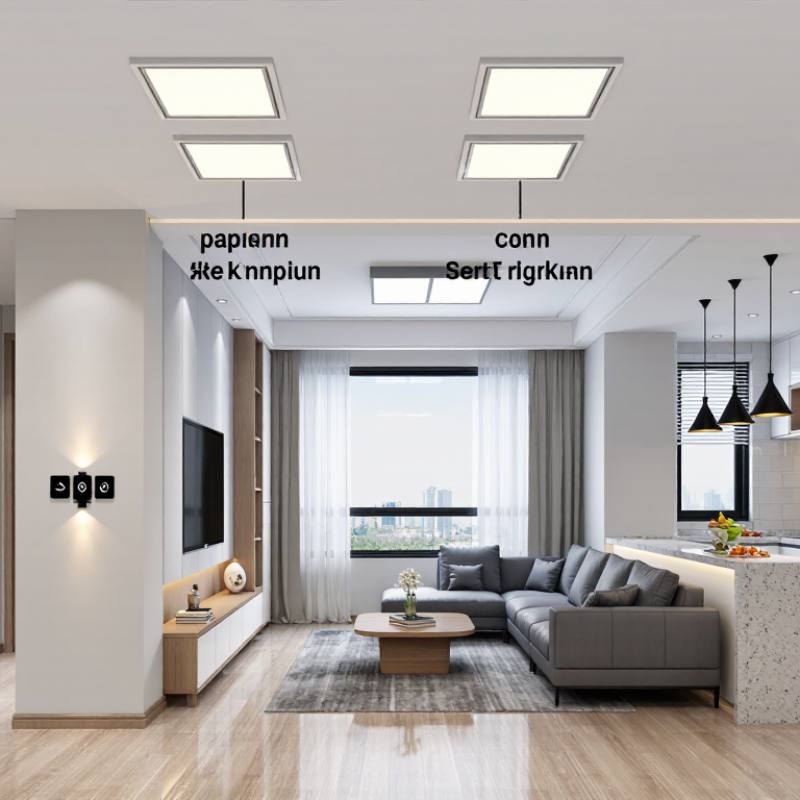
A practical condominium lighting plan combines general, task, and accent lighting. Recessed ceiling lights can provide even illumination, while a pendant above the dining table gives the space a clear focal point. In compact living rooms, indirect light from a floor lamp or concealed ceiling channel can soften shadows without crowding the room.

Good lighting feels calm.

Choose light sources to suit each room. Neutral white light can help kitchens feel clear and functional; warmer light often feels more comfortable in bedrooms and living areas. Check color rendering, glare, and dimming options before choosing fixtures.

In a bathroom, select fittings rated for the installation zone and keep them away from direct water exposure. Window direction matters, too: a bright south-facing room may need less daytime lighting than a shaded interior room.

Even a careful plan can miss how a dark sofa or glossy floor changes reflections, so test the lighting after furnishing.

Tips:

Put task lights near kitchen counters and reading seats. Use dimmers where compatible. Keep controls easy to reach from room entrances. A small sample lamp can reveal color and glare problems before you install several fixtures.

Room-by-Room Lighting Applications

In the living room, combine broad ceiling light with a floor lamp near the sofa. This lets residents read without flooding the whole space. Use dimming for evening scenes, but keep controls simple. Too many switches confuse guests. In bedrooms, place reading lights where they illuminate a book, not a partner’s face. Add a low-level route light for night-time movement. Keep it soft. China’s GB/T 50034-2024 provides a technical framework for maintained illuminance and glare control; designers should check its requirements against each room’s use.

Kitchens need clear task light over counters and sinks, with careful placement to reduce shadows from overhead cabinets. In bathrooms, use even mirror lighting and suitable moisture protection. Dining areas benefit from a pendant centered over the table, supplemented by softer ambient light. The International Energy Agency’s Energy Efficiency 2023 tracking puts lighting at roughly 15% of global electricity use, underscoring the value of efficient sources and thoughtful controls. A small caveat: drawings rarely reveal every dark corner. Check the installed light at night, then adjust aiming or output after residents move in.

What Are the Top Condominium Lighting Solutions in China? - Room-by-Room Lighting Applications

Room or Area Typical Lighting Approach Recommended Illuminance* Suggested Color Temperature Practical Design Considerations Useful Controls
Living Room Layered ambient light with ceiling fixtures or recessed downlights, plus floor or table lamps for reading and relaxation. About 100–200 lx for general use; 300–500 lx at a reading surface. 2700–3500 K for a relaxed atmosphere; adjustable white light can support different activities. Use dimmable, shielded fittings to reduce glare on televisions and glossy surfaces. Place reading lights close to seating. Separate ambient and accent circuits; dimming or preset scenes for entertaining, viewing and reading.
Bedroom Soft general lighting combined with bedside reading lights and low-level night lighting. About 75–150 lx for general use; 300–500 lx at a bedside reading area. 2700–3000 K for evening comfort. Avoid placing a bright downlight directly above the bed. Provide independent lights on both sides where needed. Bedside switching, dimming and a low-brightness night mode.
Kitchen Even ceiling illumination supplemented by task lighting beneath wall cabinets or above preparation areas. About 150–300 lx for general use; 300–500 lx on worktops. 3000–4000 K for clear visibility and comfortable food preparation. Position task lights to limit shadows from the user. Choose fittings suitable for the location and easy to clean. Independent control for ceiling and worktop lighting; consider a separate dining-area circuit in open-plan layouts.
Dining Area A pendant or focused ceiling light over the table, supported by gentle ambient lighting. About 100–200 lx for general use; roughly 150–300 lx on the dining surface. 2700–3000 K for a warm dining atmosphere. Center the fitting over the table and use a shade or diffuser that limits direct glare when seated. Dimming and separate control from the kitchen and living-room lights.
Study or Home Office Uniform ambient lighting plus an adjustable desk lamp directed at the work surface. About 300–500 lx on the desk, depending on the task and surrounding light. 3500–4000 K for focused daytime tasks; adjustable white light can add flexibility. Reduce reflections on screens by positioning lights outside the main reflection path. Balance desk light with room lighting. Independent desk and ceiling controls; a dimmer or adjustable task lamp.
Bathroom and Vanity Moisture-appropriate general lighting with vertical, even light at the mirror. About 100–200 lx for general use; 300–500 lx at the mirror or grooming area. 3000–4000 K; consistent light helps provide a more natural view of skin tones. Reduce shadows on the face with lighting at both sides of the mirror or a well-diffused mirror light. Select fittings appropriate to their installation zone. Separate mirror and general-light controls; use a suitable extraction or ventilation arrangement.
Corridor and Entry Low-glare ceiling or wall lighting, with brighter illumination near the entrance, shoe storage and mirrors. About 50–100 lx for circulation; around 100–200 lx at a detailed task area. 2700–3500 K for a welcoming transition into the home. Keep light distribution even and avoid dark gaps, especially around steps, thresholds and storage. Convenient switching at entry points; occupancy sensing may be useful in short circulation areas.
Balcony or Utility Area Simple general lighting, with focused task light where laundry, storage or cleaning takes place. About 50–100 lx for general use; increase locally for detailed tasks. 3000–4000 K, selected to suit the adjoining interior and intended use. Use fittings rated for the actual exposure and installation conditions. Protect wiring and equipment from moisture where applicable. Independent switching from indoor living areas; a sensor can help in a utility space.

*Illuminance figures are practical design ranges, not a substitute for project-specific calculations. Final values, fitting locations, electrical safety and moisture protection should be checked against applicable Chinese standards, the building conditions and the intended use of each space.

Smart and Energy-Efficient Lighting Options

In Chinese condominiums, smart, efficient lighting works best when matched to daily routines. UNEP’s 2024 Global Status Report on Buildings and Construction estimates that buildings and construction used about 32% of global energy and produced 34% of energy- and process-related CO2 emissions in 2023. Shared corridors, lift lobbies, and underground parking are practical places to reduce waste without dimming every home.

High-efficiency LED fixtures paired with occupancy sensors can keep corridor lights low when empty, then brighten them as residents approach. Daylight sensors can reduce output near windows, while scheduled controls help manage lobby and landscape lighting. The U.S. Department of Energy reports that LEDs use at least 75% less energy than incandescent lighting and can last up to 25 times longer. Those figures are a useful comparison, not a guaranteed saving for every Chinese building.

Keep the controls simple. Residents should be able to adjust bedroom brightness and warm or cool tones, while shared areas follow clear schedules. Commissioning matters: poorly placed sensors may leave a stairwell dark or switch lights on too often. Test settings at different hours, including rainy evenings. Smart systems are not automatically efficient. Regular checks of sensor placement, dimming levels, and energy bills help reveal what is actually working.

Top Condominium Lighting Solutions in China

Indicative lighting-energy savings compared with conventional lighting

LEDs, occupancy sensors, daylight-responsive dimming, and integrated lighting controls can reduce lighting electricity use. Results depend on the existing system, operating hours, layout, and control settings; savings from different measures are not necessarily additive.

Choosing and Installing Condominium Lighting in China

Choosing condominium lighting in China starts with the actual room, not a catalogue. Measure ceiling height, window direction, and furniture positions before selecting fixtures. In compact living rooms, a broad ceiling light can provide general illumination, while floor or wall lamps soften evening use. Keep it practical. At a desk or kitchen counter, place task lighting to reduce hand shadows and avoid glare on glossy surfaces. Warm white light often feels comfortable in bedrooms; a neutral tone can make food preparation and cleaning easier to see. Check color rendering and dimming compatibility in the specifications, rather than relying on a showroom display.

Installation deserves equal care. Confirm existing wiring, ceiling materials, and switch locations, then ask the building’s property team about renovation procedures. Use a qualified electrician for new circuits, heavy fixtures, or changes inside concealed ceilings. Before drilling, locate cables and pipes; a small mistake can mean an expensive repair. Test each fitting at night, when reflections and uneven patches are easier to notice. A bright entryway may spill light toward a neighbor’s door or into your bedroom. Adjust angles and dimmer levels after living with the setup for a few days. I would revisit the plan after a week; drawings rarely capture every reflection.

FAQS

What lighting standard guides condominium design in China?

GB/T 50034-2024 guides illuminance, uniformity, glare, and color rendering. Measure actual light levels after installation.

How can I check lighting in a sample room?

Test the kitchen worktop, mirror, corridor corners, and balcony doorway. Test at night. Daylight can hide uneven patches.

How can shared corridors save energy without staying too dark?

Use efficient LED fixtures with occupancy sensors. Lights can brighten as residents approach and dim when corridors are empty.

Do smart lighting controls always reduce energy use?

Not automatically. Poorly placed sensors may leave stairs dark or switch lights on too often. Check settings at different hours.

What should I consider when choosing lights for each room?

Measure ceiling height, window direction, and furniture positions. Use task lighting at desks and counters to reduce hand shadows.

Which light color works well in bedrooms and kitchens?

Warm white often feels comfortable in bedrooms. A neutral tone can make food preparation and cleaning easier to see.

What should I check before installing a new fixture?

Confirm the wiring, ceiling material, and switch location. Find concealed cables and pipes before drilling. A small mistake can be costly.

How can I reduce glare from glossy floors and surfaces?

Choose low-glare fittings where practical, then adjust their angles and dimmer levels. Reflections can be surprising.

When should I review a new lighting setup?

Test each fitting at night, then live with the setup for a few days. I would check again after a week; drawings can miss reflections.

Conclusion

Condominium Lighting Solutions in China should balance comfort, functionality, energy efficiency, and the needs of diverse residential layouts. Good lighting plans consider local building requirements, available natural light, ceiling height, room size, and residents’ daily routines. A layered approach—combining general illumination with task and accent lighting—can create welcoming, adaptable spaces. In living rooms, flexible ambient light supports relaxation and social activities; kitchens and bathrooms benefit from clear, practical illumination, while bedrooms call for softer, more restful light.

Smart controls, efficient light sources, dimming, and occupancy or daylight sensors can help reduce unnecessary energy use while making lighting easier to manage. Choosing suitable fixtures also means considering glare, color quality, maintenance, and compatibility with the home’s electrical system. Careful planning and professional installation can ensure that each room receives appropriate lighting and that controls are convenient and reliable. When these factors are considered together, condominium lighting can improve everyday comfort while supporting efficient, long-term home operation.


Amelia

Amelia

Amelia is a professional marketing specialist with a strong understanding of product strategy, customer needs, and digital communication. As a valued member of our company, she combines practical marketing experience with detailed knowledge of our products, helping customers clearly understand how......