High-performance optical engines integrated with heavy-duty thermal management and acoustic compatibility.
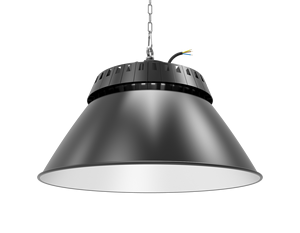
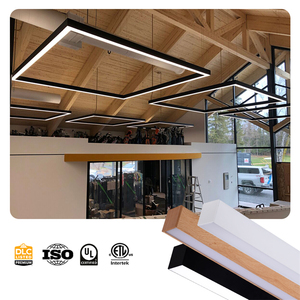
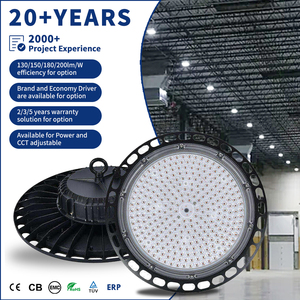
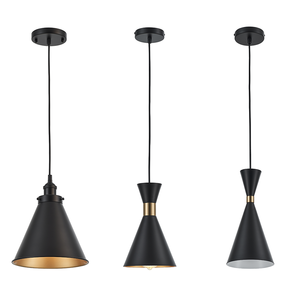
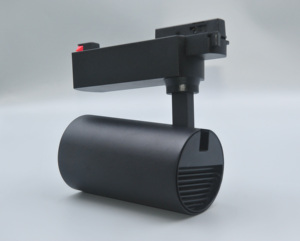
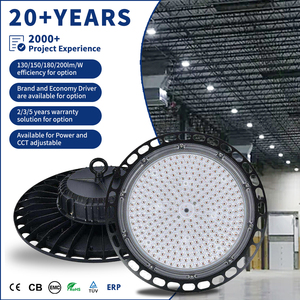
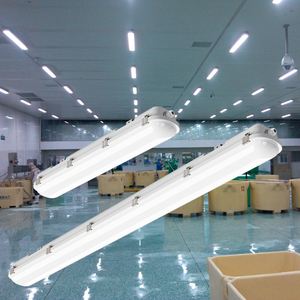
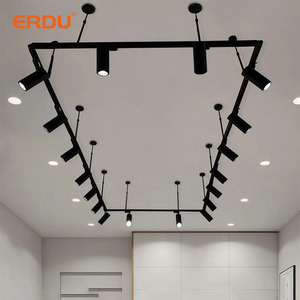
Precision manufacturing designed to solve complex acoustic reverberation and photometric challenges in commercial architecture.
Engineered using high-density polyethylene terephthalate (PET) felt (0.85+ NRC rating) derived from recycled fibers, seamlessly housing high-efficacy LED modules for optimal ambient sound dampening.
From initial CAD/BIM modeling to 3D physical photolithography and functional submittals in under 14 business days, guaranteeing accelerated FF&E procurement cycles for mega-projects.
Full alignment with ETL, UL, ADA, Title 20/24, and Energy Star specifications. Backed by established approval pathways across 70+ top-tier global hospitality and corporate brand standards.
In contemporary architectural design, the convergence of open-plan spatial layouts, exposed concrete structures, and minimal interior finishes has created a dual challenge: severe acoustic reverberation and complex lighting distribution requirements. Commercial specifiers, interior architects, and corporate purchasing groups no longer treat illumination and sound attenuation as separate mechanical disciplines. Instead, the industry is accelerating toward integrated OEM/ODM Acoustic Lighting Solutions that solve photometric and acoustic issues simultaneously within a unified ceiling plane.
Acoustic luminaires perform a dual physical function. From a photometric perspective, the luminaire must deliver precise illuminance (measured in Lux or Foot-Candles), control visual discomfort glare (UGR < 19), and maintain high color fidelity (CRI 90+, R9 > 50). From an acoustic perspective, the fixture acts as a porous absorber, trapping high and mid-frequency sound waves generated by human speech (250 Hz to 4000 Hz).
When selecting an OEM/ODM Acoustic Lighting Manufacturer, specifiers must evaluate the Noise Reduction Coefficient (NRC) and Sound Absorption Average (SAA). Our manufacturing process utilizes 100% recyclable flame-retardant PET felt (ASTM E84 Class A fire rated) engineered with tailored air permeability resistance (Rayls). This ensures that incoming sound pressure waves penetrate the fibrous matrix, dissipating acoustic energy into microscopic thermal friction rather than bouncing back into the architectural volume.
| Acoustic Material Density | Material Thickness | Noise Reduction Coefficient (NRC) | Primary Frequency Absorption Range | Thermal Management Compatibility |
|---|---|---|---|---|
| High-Density PET Felt (2400 g/m²) | 12 mm / 24 mm Double-Faced | 0.85 – 0.95 | 500 Hz – 4000 Hz (Human Speech) | Direct Extruded Heat Sink Decoupling |
| Medium-Density PET Felt (1600 g/m²) | 9 mm Single Layer | 0.65 – 0.75 | 1000 Hz – 4000 Hz (High Pitch) | Passive Convection Aluminum Channels |
| Hybrid Micro-Perforated Aluminum | 1.5 mm Shell + Acoustic Wool | 0.80 – 0.90 | 250 Hz – 2000 Hz (Low-Mid Bass) | Active Heatsink Solid Integration |
Navigating commercial lighting procurement requires a clear understanding of the operational boundaries between OEM (Original Equipment Manufacturing) and ODM (Original Design Manufacturing):
As commercial real estate trends shift toward sustainable retrofits and employee-centric office environments, global procurement teams are adopting three major acoustic lighting trends:
Building on over 30 years of hospitality experience and more than 40 combined years of sourcing, design, and manufacturing expertise through our sister lineage (Majestic Mirror & Frame and the Majestic FAMILY), our facilities uphold strict quality management systems. Every product tier undergoes rigorous multi-stage verification:
Answers to common engineering, code-compliance, and custom manufacturing questions.
For custom ODM modifications or OEM spec-to-build samples, our rapid prototyping department delivers fully functional physical samples with cut sheets and photometric data within 14 to 21 calendar days. Standard production runs typically range from 4 to 6 weeks depending on volume and customization complexity.
Acoustic felt acts as a natural thermal insulator. To prevent heat buildup from degrading LED chips and drivers, our designs utilize high-grade extruded 6063-T5 aluminum heatsink cores that thermally decouple the optical engine from the acoustic housing. Heat is channeled via air-gap convection slots out the top of the luminaire.
Yes. All PET acoustic materials used in our OEM/ODM manufacturing process comply with strict international fire safety regulations, achieving ASTM E84 Class A fire ratings in North America and EN 13501-1 B-s1, d0 ratings in Europe. Flame retardancy is inherent to the polyester fiber structure and does not leach over time.
Absolutely. Every luminaire manufactured in our plant carries third-party ETL or UL certification depending on the project scope. We offer ADA-compliant low-profile sconces, Energy Star certified models, Title 20/24 compliant drivers, and pre-approved spec packages aligned with over 70 major hotel brand standards (including Marriott, Hilton, IHG, and Hyatt specs).
Yes. Leveraging our Majestic FAMILY ecosystem, project procurement teams can consolidate custom mirrors, guestroom lighting, corridor sconces, and architectural acoustic pendants under a single vendor contract. This eliminates vendor fragmentation, streamlines freight logistics, and provides one point of contact for submittals and warranty support.
We provide full technical submittal binders containing IES photometric files, third-party laboratory ASTM C423 acoustic test reports showing NRC curves across frequency bands (125Hz - 4000Hz), cut sheets, wiring diagrams, driver compatibility charts (0-10V, DALI, Phase-dimming), and physical material finish swatches.