Engineered to meet rigorous commercial, hospitality, and residential project specifications with certified drivers, precision metalwork, and flexible modular assembly.
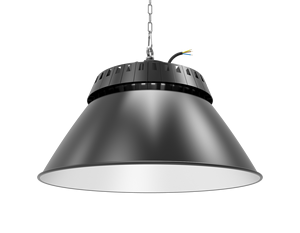
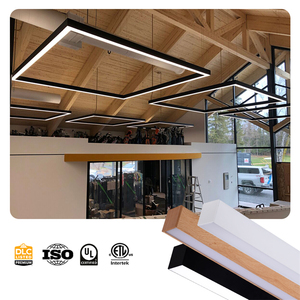
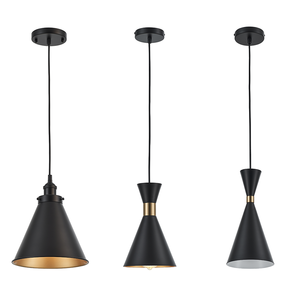
Navigating the Chinese manufacturing ecosystem for commercial, hospitality, and residential table lamp procurement.
Executive Overview: China manufactures over 70% of the world’s portable decorative and architectural luminaires. For B2B procurement managers, hotel brand specification teams, and lighting distributors, identifying top-tier table lamp factories in China requires evaluating far more than unit price—it demands rigorous scrutiny of metal fabrication tolerances, electrical safety certifications (UL 153 / ETL), surface treatment durability, and LED driver engineering.
China's lighting manufacturing sector is highly specialized across geographical clusters, primarily concentrated in Guangdong and Zhejiang provinces. Understanding these regional strengths is fundamental to optimizing your sourcing pipeline:
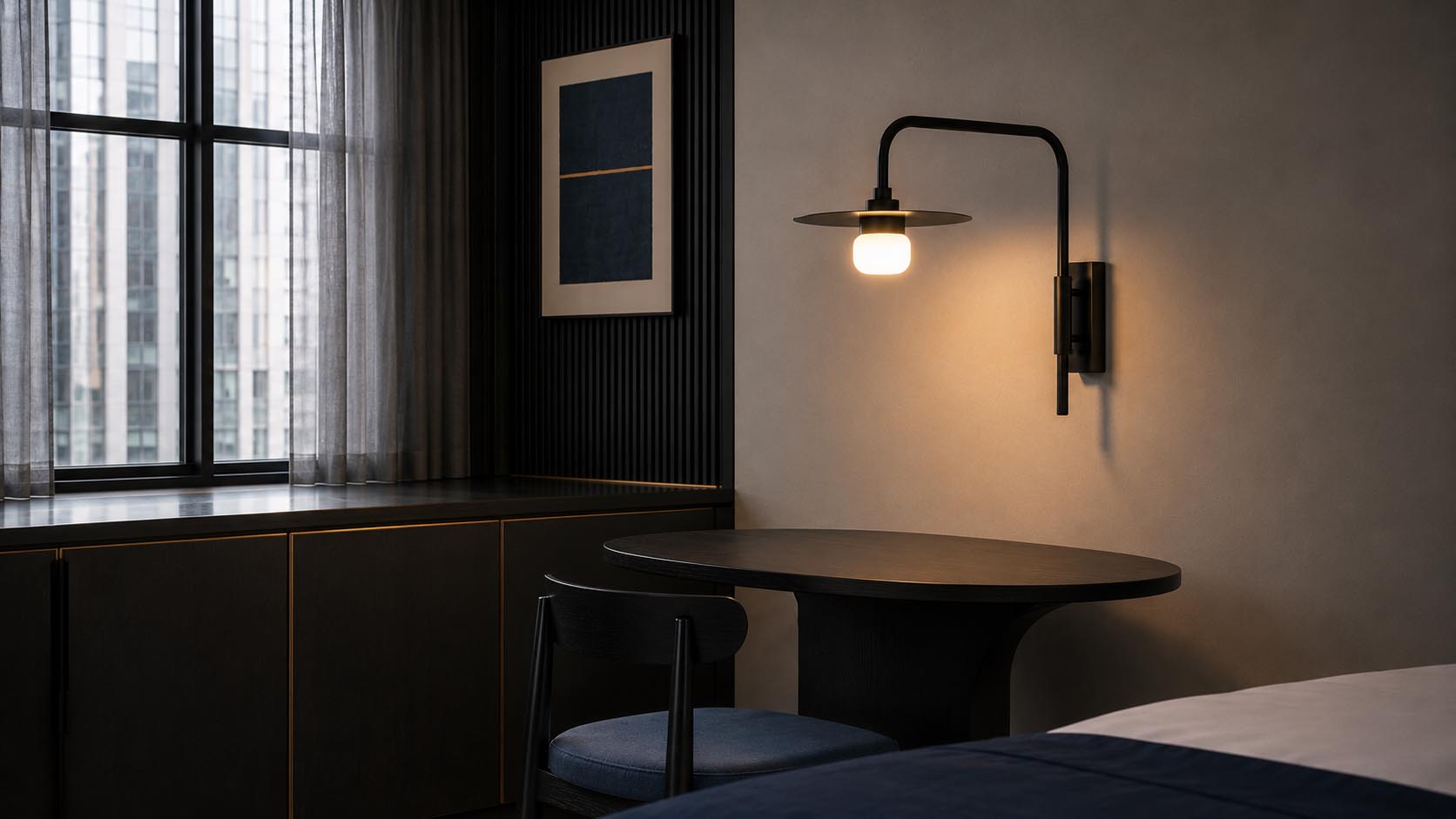
Top China table lamp manufacturers employ advanced CNC machining, robotic laser welding, and automated brass spinning. When evaluating a factory, inspect their cold-rolled steel base weight plates, brass joinery precision, and internal strain relief mechanisms for power cords. High-traffic hospitality environments require heavy, low-center-of-gravity bases to prevent tipping, along with tamper-resistant shade fastenings.
A frequent pitfall in low-cost table lamp sourcing is compromised electrical safety and poor thermal dissipation. Top China table lamp factories implement rigorous testing protocols to adhere to North American (UL 153 / CSA C22.2) and European (CE-LVD / RoHS) standards.
| Technical Parameter | Commercial / Hospitality Standard | Low-Tier Factory Risk |
|---|---|---|
| CRI (Color Rendering Index) | Ra ≥ 90, R9 ≥ 50 (SunLike / Nichia Chips) | Ra < 80, leading to dull room aesthetics |
| CCT Consistency | 3-Step MacAdam Ellipse (SDCM < 3) | Wide CCT drift across batch (2700K vs 3200K) |
| Flicker Index | IEEE 1789 Compliant (Flicker Free < 0.5%) | High-frequency ripple causing eye fatigue |
| Surface Electroplating | PVD Coating / 96-hr Neutral Salt Spray Test | Rapid oxidation, pitting, and tarnishing |
| Internal Wiring | 105°C / 600V Rated Teflon Insulated Copper Wire | Low-temp PVC wire prone to melting/shorts |
The global table lamp market is undergoing rapid evolution driven by changing workspace habits, smart building automation, and hospitality wellness initiatives. Buyers sourcing from China must ensure factory partners are equipped for these macro trends:
High-density 5200mAh Lithium-Iron Phosphate (LiFePO4) batteries with magnetic pin docking platforms, providing 12–24 hours of glare-free illumination for outdoor dining and lounge spaces.
Guestroom table lamps integrated with 45W USB-C Power Delivery (PD) fast chargers, dual AC outlets, and anti-interference Qi wireless pads embedded under real wood or ceramic bases.
Biological human-centric lighting (HCL) table lamps that automatically transition from 4000K daylight for productivity down to 2200K warm amber to support melatonin production.
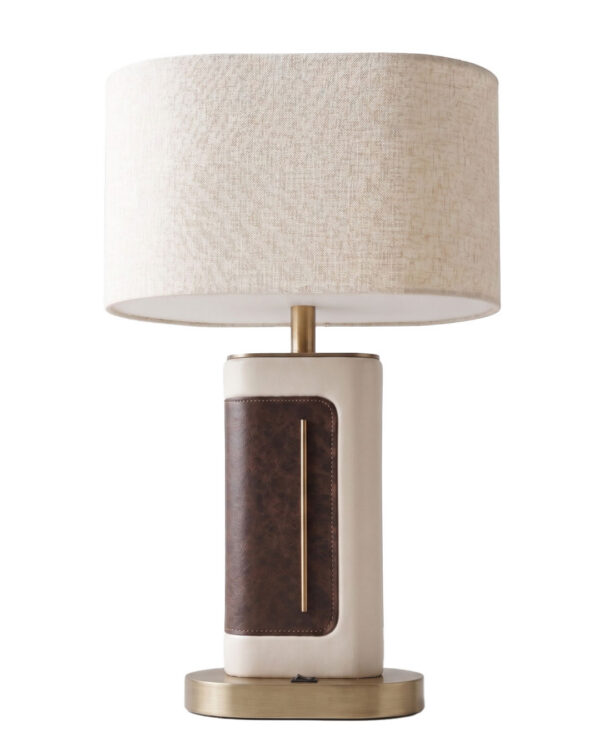
Modern luxury hospitality projects demand authentic tactile materials. Leading China table lamp factories now seamlessly combine hand-thrown glazed ceramics, terrazzo, natural alabaster stone, and precision PVD (Physical Vapor Deposition) coated titanium brass. PVD processing guarantees that metal arms and bases will not tarnish or discolor even when subjected to harsh hotel cleaning chemicals and humid coastal climates.
Before issuing a Purchase Order (PO) or committing to a high-volume OEM table lamp contract in China, enterprise buyers should execute a structured factory audit focusing on these critical operational checkpoints:
Verify that raw brass tubes, aluminum ingots, ceramic bases, and acrylic diffusers undergo spectral transmittance analysis and dimensional verification upon factory arrival.
Ensure the factory possesses an internal spectroradiometer and goniophotometer to generate verifiable IES file data, color temp accuracy, and accurate lumen/watt calculations.
Every finished table lamp must undergo 100% Hi-Pot dielectric withstand testing (1500V for Class I, 3000V for Class II) and a minimum 4-hour continuous burn-in test.
Carton packaging must meet ISTA-2A or 3A drop test standards to withstand international sea freight and courier transit without shade deformation or glass breakage.
Bridging the gap between creative design intent, engineering compliance, and flawless factory production.
We leverage pre-established brand compliance pipelines across major global hotel chains (Marriott, Hilton, IHG, Hyatt), drastically shortening design submittal approval timelines.
Consolidate table lamps, floor lamps, wall sconces, architectural pendants, and illuminated vanity mirrors under a single accountable engineering and freight team.
Our engineering team modifies catalog designs or CAD sketches to match target budget allocations without sacrificing visual proportion, safety listings, or structural integrity.
Direct technical answers for purchasing agents, architects, and product developers.
Standard catalog table lamps typically carry an MOQ of 50 to 100 units per style. For fully custom engineered OEM table lamps requiring specialized metal tooling, custom ceramic molds, or custom extruded aluminum profiles, MOQs range between 100 and 300 units. Value-engineering adjustments can consolidate hardware across styles to lower project MOQs.
All portable table lamps destined for North America are engineered and built in strict accordance with UL 153 standards. We utilize recognized component suppliers for sockets, inline switches, power cords, and internal LED drivers. Factory production lines undergo periodic field inspections by ETL/UL certification authorities.
Yes. Table lamp bases can be retrofitted or custom-designed to house integrated dual tamper-resistant AC outlets, USB-A charging ports, Smart 45W USB-C PD fast chargers, and Qi wireless charging pads. All integrated charging electronics are isolated and thermally tested to prevent heat buildup inside the base.
Pre-production 3D CAD modeling takes 3–5 business days. Physical sample fabrication requires 2 to 3 weeks depending on surface treatment (e.g., electroplating vs. custom powder coat). Once submittal samples are approved, mass production timelines are typically 4 to 6 weeks, supported by ocean freight logistics management.
Every production run is evaluated against an approved master control swatch using spectrophotometer color measuring tools under standardized D65 illuminants. Metal finishes (satin brass, oil-rubbed bronze, brushed nickel) undergo lacquer coating or physical vapor deposition (PVD) to pass 96-hour salt-spray non-corrosion tests.
Yes. Through our unified Majestic Family manufacturing pipeline, procurement teams can consolidate decorative table lamps, floor lamps, wall sconces, headboard reading lights, and LED vanity mirrors under one vendor contract, dramatically streamlining freight coordination and submittal documentation.