Engineered for code compliance, energy efficiency, and high-performance durability across global commercial projects.
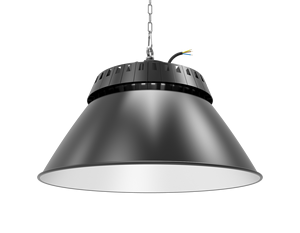
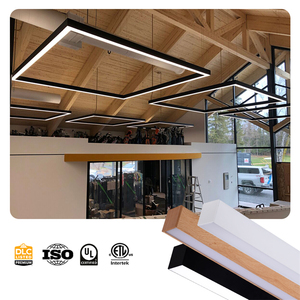
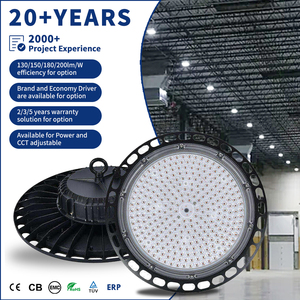
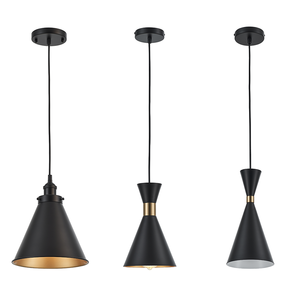
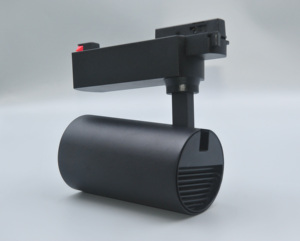
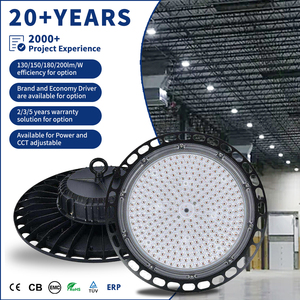
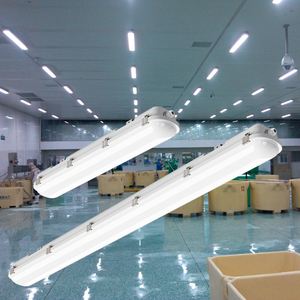
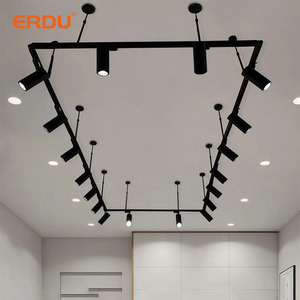
Navigating commercial fixture procurement requires balancing design vision, structural integrity, electrical compliance, and strict lifecycle cost targets. As a premiere custom lighting manufacturer and tier-one supplier serving hospitality, multifamily, senior living, and commercial sectors, Majestic Lighting (a sister company to Majestic Mirror & Frame under the Majestic FAMILY brand) brings nearly 30 years of direct hospitality industry expertise and over 40 combined years of specialized design, sourcing, and OEM/ODM engineering excellence.
Unlike standard catalog distributors who resell off-the-shelf import stock, top trusted custom lighting manufacturers operate as true engineering partners. Every architectural fixture, guestroom sconce, public-area chandelier, or high-bay luminaire is designed around the physical realities of modern facility construction and operation: ease of re-lamping, field-serviceable LED drivers, intuitive guest switches, tamper-resistant mounting hardware, and surface finishes tested against aggressive cleaning agents.
Direct pre-approval alignment across major international hotel groups (including Marriott, Hilton, IHG, and Hyatt) accelerates submittal sign-offs and eliminates multi-week spec revisions.
All luminaires carry ETL or UL safety certifications tailored to end-use applications, with options for ADA compliance, Title 20/24 compliance, Energy Star, and IP65/IP67 damp/wet ratings.
Consolidate custom mirrors, backlit vanity units, and full decorative/architectural lighting packages under one vendor contact, simplifying submittals, freight log, and site delivery.
Budget constraints frequently threaten original architectural designs. Our in-house engineering team specializes in value engineering (VE) protocols that maintain spatial proportions, color rendering index (CRI), photometrics, and aesthetic finish call-outs while optimizing internal driver selection, extrusion wall thickness, and assembly labor. By leveraging automated CAD modeling, 3D rapid prototyping, and photometric IES testing, we provide transparent cost-reduction pathways without risking structural or visual integrity.
The global commercial lighting market is shifting rapidly from static illumination hardware toward intelligent, sustainable, and highly adaptable spatial assets. Commercial real estate developers, procurement houses, and architectural specifiers must realign their sourcing criteria around four structural trends shaping the next decade:
Leading global buyers are discarding single-use, non-repairable luminaires in favor of modular design architectures. Sourcing frameworks now prioritize fixtures engineered with quick-disconnect LED engines, standardized Class 2 drivers, and tool-less housing access. This shift allows building engineers to upgrade optical chips or replace power units at end-of-life without disturbing decorative metalwork, architectural ceiling slots, or plaster wall trims, slashing long-term lifecycle CapEx by up to 45%.
Managing fragmented supply chains across multiple factory lines introduces significant project delay risks. Modern procurement managers are consolidating decorative mirrors, integrated illuminated vanity units, guestroom lighting packages, and architectural public-space fixtures under unified tier-one suppliers. Single-source consolidation eliminates cross-vendor finish mismatches (such as variance between brushed brass sconces and mirror trim), unifies freight logistics into scheduled site drops, and establishes single-point warranty accountability.
| Procurement Factor | Legacy Sourcing Model | Modern Consolidated Manufacturer Model |
|---|---|---|
| Vendor Accountability | Multiple disparate factories, uncoordinated lead times | Single accountable contact for submittals, samples & freight |
| Code Compliance Verification | Self-certified claims; frequent job-site ETL inspection failures | Pre-certified ETL/UL listings with full 3rd-party lab documentation |
| Hotel Brand Alignment | Manual submittal review cycles (4–8 weeks delay) | Pre-approved brand standard packages (Instant submittal clearance) |
| Customization Flexibility | Rigid catalog dimensions; costly custom tooling surcharges | In-house engineering from designer sketches & CAD modifications |
| Supply Chain Risk | High vulnerability to ocean freight bottlenecks & component shortages | Dual-hemisphere sourcing, buffer inventory & factory-direct tracking |
Sophisticated commercial buyers no longer evaluate custom fixtures based solely on initial unit purchase price. Modern procurement algorithms calculate Total Cost of Ownership (TCO), integrating metrics such as L70 B10 LED chip lifespan (>50,000 hours), system luminous efficacy (>130 lm/W), driver power factor (>0.95), and Total Harmonic Distortion (THD < 15%). High-efficiency fixtures dramatically reduce long-term operational utility bills and facility maintenance labor costs, delivering net operational savings within 18 to 24 months.
Technological convergence in solid-state lighting (SSL), digital power management, and material science is transforming commercial fixture manufacturing. Top custom suppliers are integrating several core technical capabilities into standard production lines:
Commercial office environments, luxury hospitality guestrooms, and senior living facilities are increasingly mandating Human-Centric Lighting (HCL) systems. By pairing multi-channel CCT drivers with dual-chip SMD matrices, custom fixtures seamlessly adjust color temperature across a 2700K to 6500K spectrum while keeping CRI > 90 and R9 > 50. Dynamic CCT transitions mimic natural sunlight patterns, supporting circadian rhythms, occupant alertness, and wellness ratings under WELL Building Standard v2 criteria.
Visual comfort has elevated from an optional design preference to a strict performance requirement. High-performance linear pendants, track spotlights, and ceiling recessed downlights utilize multi-stage optical systems—incorporating dark-light micro-reflectors, prismatic diffuser sheets, and deep-recessed COB chip cavities. Engineering luminaires to achieve a Unified Glare Rating (UGR) below 19 eliminates eye fatigue in workplace environments and creates immersive, upscale ambiance in retail and dining venues.
Modern architectural lighting integration demands universal driver versatility. Production lines now standardly support 0-10V analog dimming, DALI-2 digital addressing, Phase-Cut (TRIAC/ELV) compatibility, and wireless protocol node integration (such as Bluetooth Mesh, Casambi, and Zigbee). Built-in thermal fold-back protection prevents driver burnout during voltage spikes or ambient overheating, protecting capital investments across enterprise facilities.
Technical and operational guidance for procurement agents, architects, electrical engineers, and project owners.
Connect with our technical engineering team for instant cut sheets, photometric submittals, or value-engineered quote packages tailored to your project scope.
Get Catalog