Curated specifically for Japanese electrical safety standards (PSE), seismic vibration resistance, and high luminous efficacy demanded by Nagoya’s commercial developments and industrial complexes.
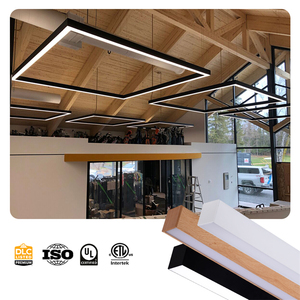
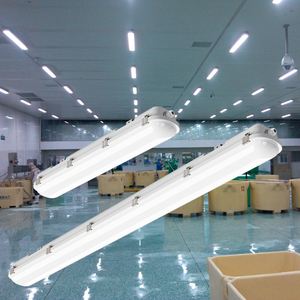
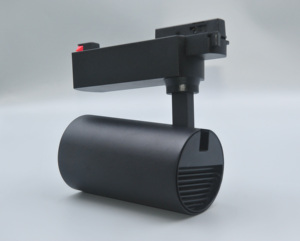
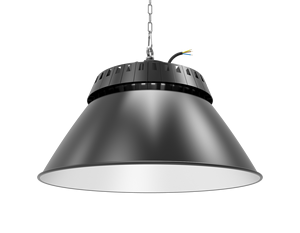
A technical whitepaper analyzing supply chain integration, structural considerations, and photometric compliance for B2B procurement directors in Nagoya.
As Japan’s third-largest economic hub and the beating heart of the Chubu manufacturing realm, Greater Nagoya demands lighting infrastructure built to rigorous standards. From the headquarters and tier-1 supplier facilities in Toyota City to the grade-A corporate towers surrounding Meieki (Nagoya Station) and the subterranean shopping networks of Sakae, commercial linear lighting must balance high optical purity with absolute electrical stability. As a premier China linear lighting factory, our engineering framework directly bridges high-volume OEM manufacturing precision with the localized requirements of the Japanese commercial lighting market.
Deploying commercial lighting profiles into Nagoya requires specialized driver engineering. Western Japan operates on a 60Hz power grid. Furthermore, Japanese commercial facilities utilize both single-phase 100V for interior architectural linear runs and three-phase 200V circuits for heavy industrial linear trunking and high-bay fixtures. Our OEM linear systems integrate wide-range constant-current drivers (90V–264V AC, 50/60Hz) equipped with active Power Factor Correction (PFC > 0.97) and total harmonic distortion (THD) below 10%.
To comply with Japan’s Electrical Appliance and Material Safety Law (DENAN Law), our components carry mandatory PSE (Product Safety Electrical Appliance & Material) certifications—utilizing Diamond PSE for external isolated power supplies and Circle PSE for integrated linear modules. This ensures total safety against voltage fluctuations and harmonic interference within industrial control environments.
Nagoya lies in a region subject to stringent earthquake preparedness codes. Linear lighting suspended in long continuous runs (often spanning tens of meters across logistics hubs or open-plan offices) poses specific structural loads during seismic movements. Our extruded linear aluminum profiles (utilizing 6063-T5 grade alloy) feature high strength-to-weight ratios, paired with dual-stage anti-drop aircraft wire suspensions and mechanical locking safety latches compliant with JIS C 8105-2-1 structural safety guidelines.
| Specification Parameter | Standard Commercial Linear Lighting | Nagoya-Spec OEM Linear Systems (Our Factory) |
|---|---|---|
| Driver Input Range & Grid Spec | 220V-240V 50Hz Only | Universal 90V-264V AC, 60Hz Optimized for Chubu Power Grid |
| Regulatory & Safety Marks | Basic CE / RoHS | PSE Certified (Circle/Diamond), METI Compliant, RoHs 2.0 |
| Color Quality & Fidelity | Ra80 (SDCM < 5) | Ra90+ / Ra95 High CRI, MacAdam Ellipse 3-Step (SDCM < 3) |
| Optical Glare Index (UGR) | UGR < 22 (Opal Diffusers) | UGR < 19 Micro-Prismatic & Dark-Light Optics |
| Seismic Hardware Standard | Standard Screw Friction Clips | Dual-Spring Anti-Seismic Safety Lock Latches (JIS Compliant) |
| Dimming & Building Automation | Simple Switch On/Off | DALI-2, 0-10V, Wireless Casambi / Tuya Smart Integration |
Engineered for seamless integration into Chubu's distinct commercial architecture, manufacturing cleanrooms, and subterranean spaces.
High-density corporate spaces require continuous micro-recessed linear lights providing UGR < 19 glare control. Our 3CCT surface and pendant profiles create continuous visual lines without dark spots, boosting worker productivity while satisfying Japan's energy reduction mandates.
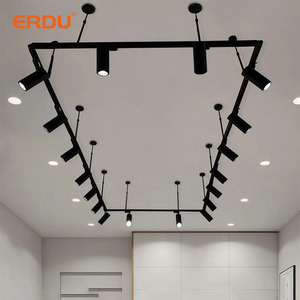
Nagoya’s extensive subterranean shopping passages (like Oasis 21 and Sakae Chica) demand low-profile architectural track systems and linear slot lighting with high color rendering (Ra90+) to accentuate merchandise textures under controlled ambient light.
Precision automotive manufacturing and electronics assembly plants need IP65-rated linear tri-proof lights and heavy-duty industrial trunking systems resistant to oil vapor, airborne dust, and high ambient vibration.
Understanding the intersection of Japan’s SDGs policies, zero-carbon building targets, and intelligent lighting control systems.
Major construction contractors (Taisei, Obayashi, Kajima) working on Nagoya infrastructure projects prioritize luminaires yielding upwards of 160 lm/W to 180 lm/W. High-efficacy linear optics reduce total operational wattage, contributing directly to ZEB Ready and ZEB Powered certification points under Japanese building codes.
Modern Japanese office interior renovations favor retrofittable smart controls over complex rewiring. Our OEM linear profiles seamlessly house mini-DALI-2 drivers and integrated Casambi Bluetooth nodes, enabling daylight harvesting, scene scheduling, and individual luminaire addressability via localized tablet interfaces.
Direct factory manufacturing, precision aluminum profile extrusion, custom optical molding, and rigorous quality assurance.
We operate 12 aluminum extrusion lines capable of delivering custom linear profiles from compact 10mm mini-recessed slots up to 150mm wide structural trunking profiles. Custom powder-coating matches exact RAL architectural finishes specified by Japanese interior designers.
Equipped with high-speed Yamaha SMT lines, darkrooms, and integrating spheres, every batch undergoes 100% aging tests, high-voltage insulation tests, and strict binning to guarantee color consistency across long architectural continuous runs.
Located in close proximity to Ningbo and Shanghai ports, we offer fast containerized shipping directly to Nagoya Port. We provide comprehensive customs documentation, Certificate of Origin, and full PSE safety compliance reporting to ensure smooth clearing.
Addressing common technical, regulatory, and procurement questions regarding importing linear LED lighting into Japan.
All linear lighting fixtures sold and installed in Japan must comply with the Electrical Appliance and Material Safety Law (DENAN Law). External isolated LED drivers require Diamond PSE Certification issued by registered testing bodies (like JET or TUV), while integrated luminaire assemblies require Circle PSE Self-Declaration backed by comprehensive safety test reports. Additionally, non-interference compliance (VCCI EMC standards) and RoHS 2.0 documentation are necessary for public commercial bids.
While Eastern Japan (Tokyo) runs at 50Hz, Nagoya and the Chubu region operate at 60Hz. Commercial buildings utilize 100V for standard interior circuits and 200V for high-capacity industrial linear systems. Our factory equips all fixtures destined for Nagoya with wide-input (90–264V AC) intelligent constant-current drivers operating effortlessly at 50Hz/60Hz, preventing high-frequency flicker and power factor drops.
Yes. We specialize in modular, continuous-run linear systems with quick-connect male-female wiring harnesses and seamless mechanical joiners (L-connectors, T-connectors, X-connectors, and custom angle joints). We deliver pre-cut extruded profiles according to CAD reflect ceiling plans (RCP) provided by Japanese engineering consultants.
Standard sample manufacturing takes 5–7 business days. Mass production for OEM architectural linear profile orders typically requires 18–25 days. Transit time by ocean freight from Ningbo/Shanghai to Nagoya Port (Meiko) is fast—usually taking only 3 to 5 days in transit, making our supply chain highly responsive for active construction deadlines.
Absolutley. We offer specialized optical diffusers including micro-prismatic optical plates, low-glare dark-light louvers, and asymmetric reflectors that achieve UGR < 19. This ensures compliance with Japanese architectural workplace standards, minimizing eye strain under continuous artificial illumination.